
-
Engagement
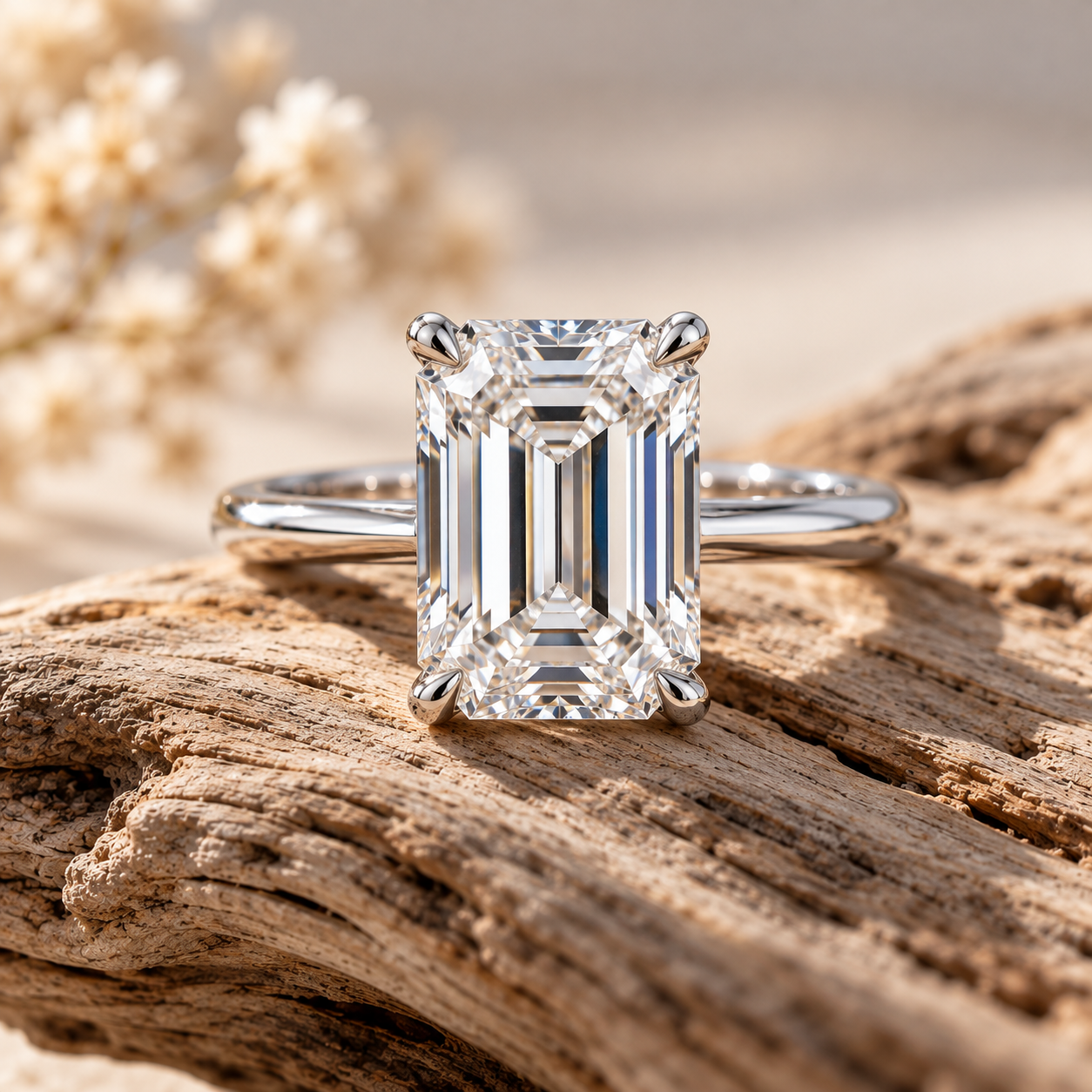 Featured · Made to order
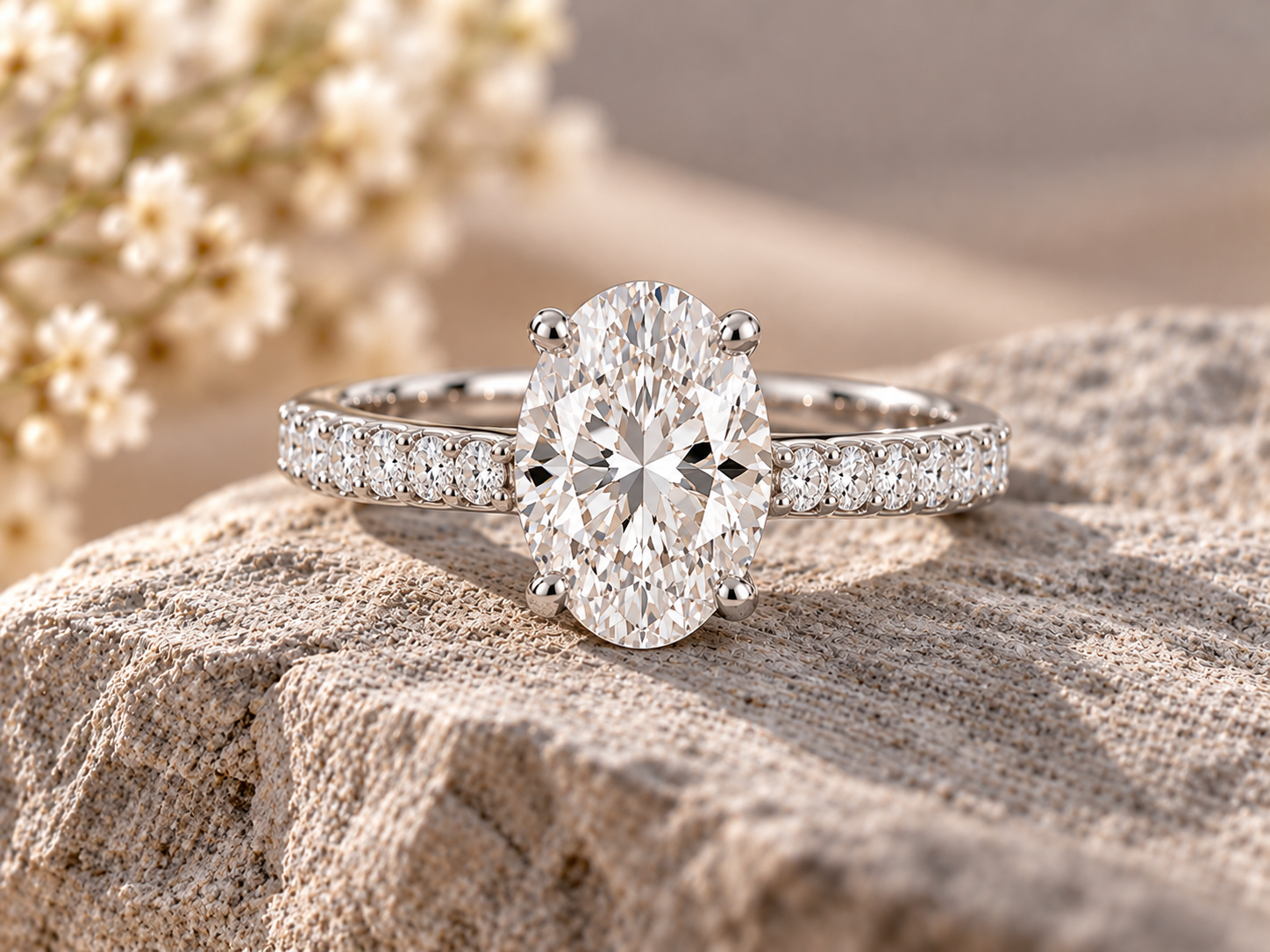
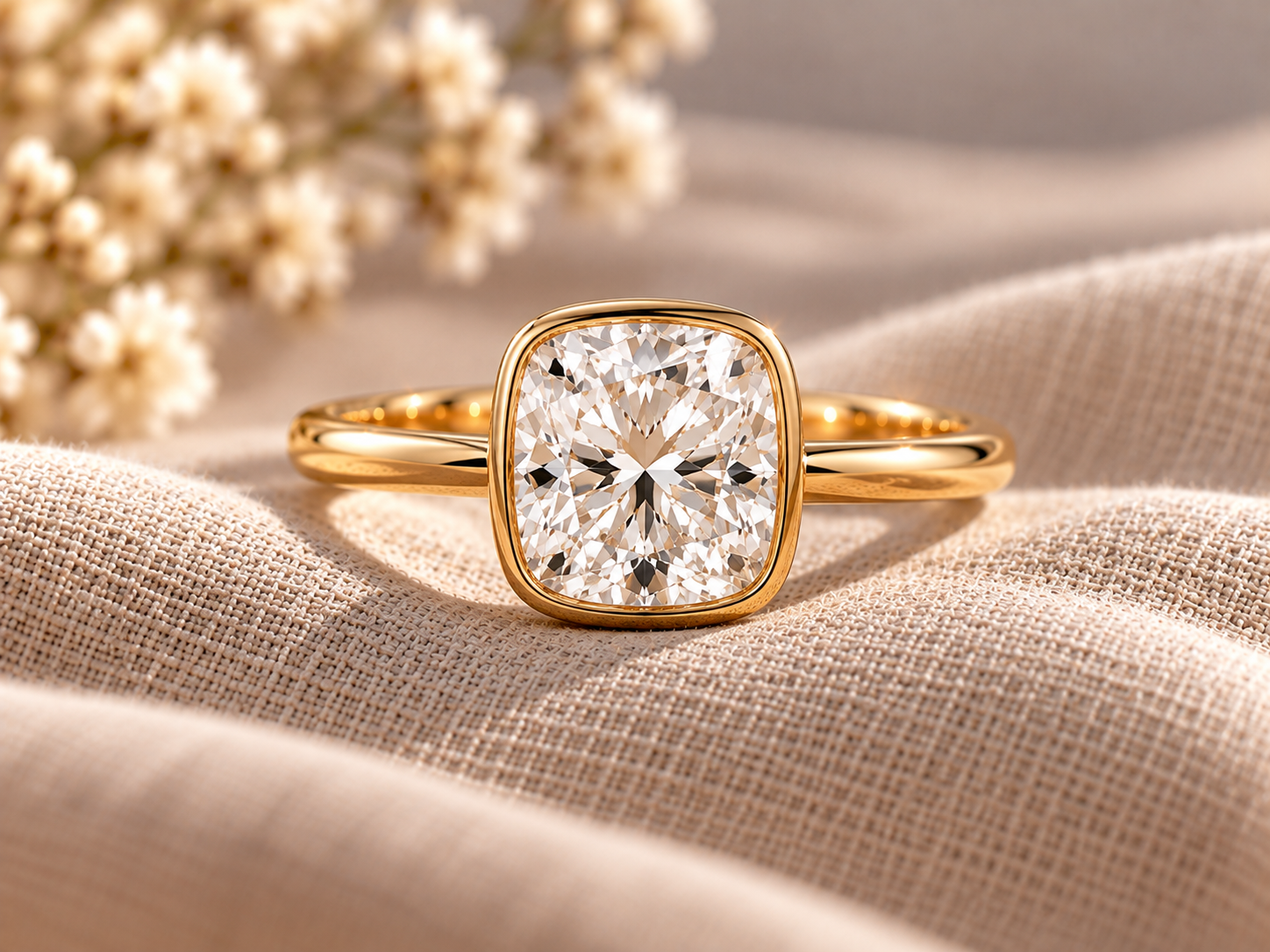
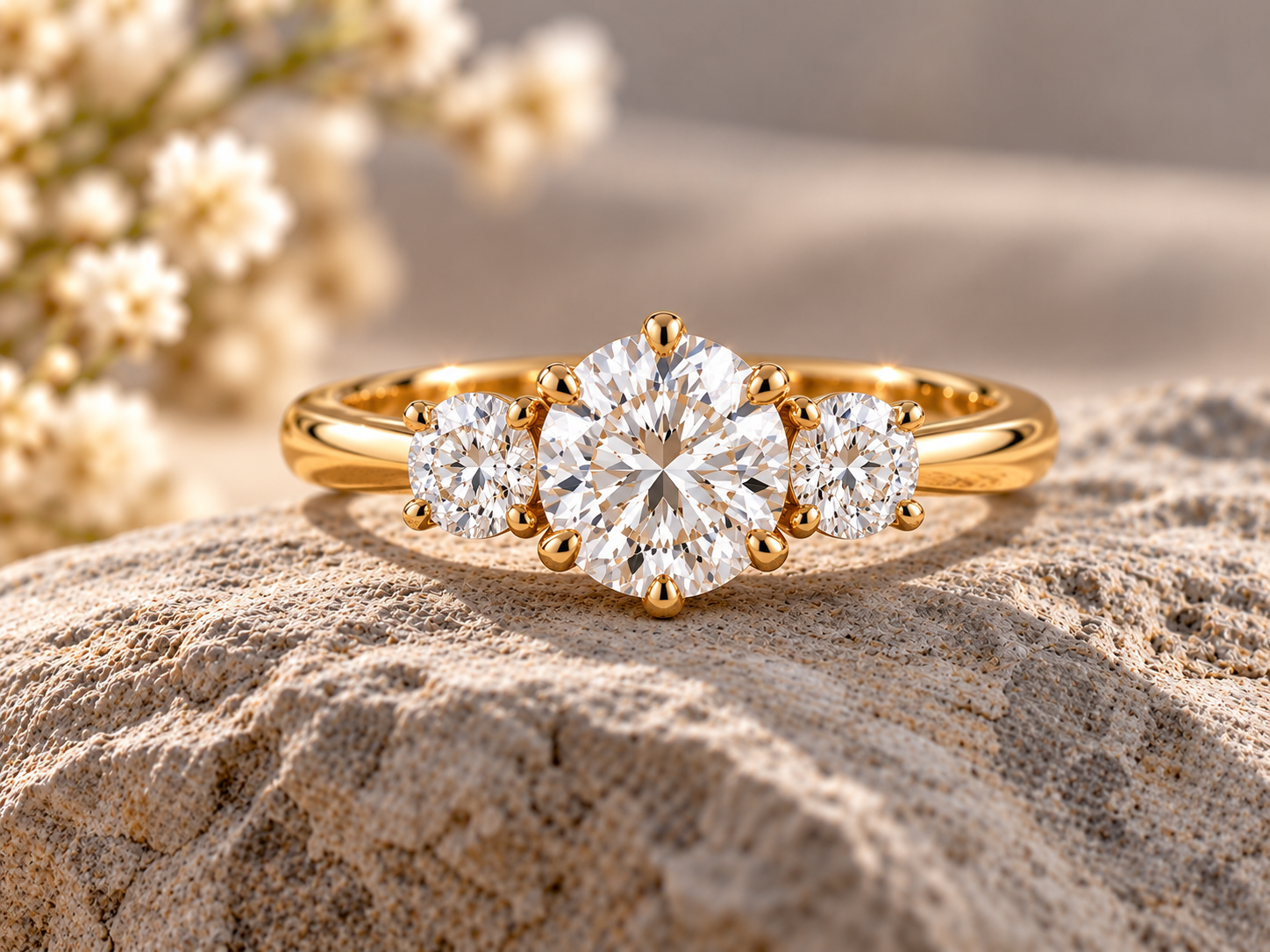
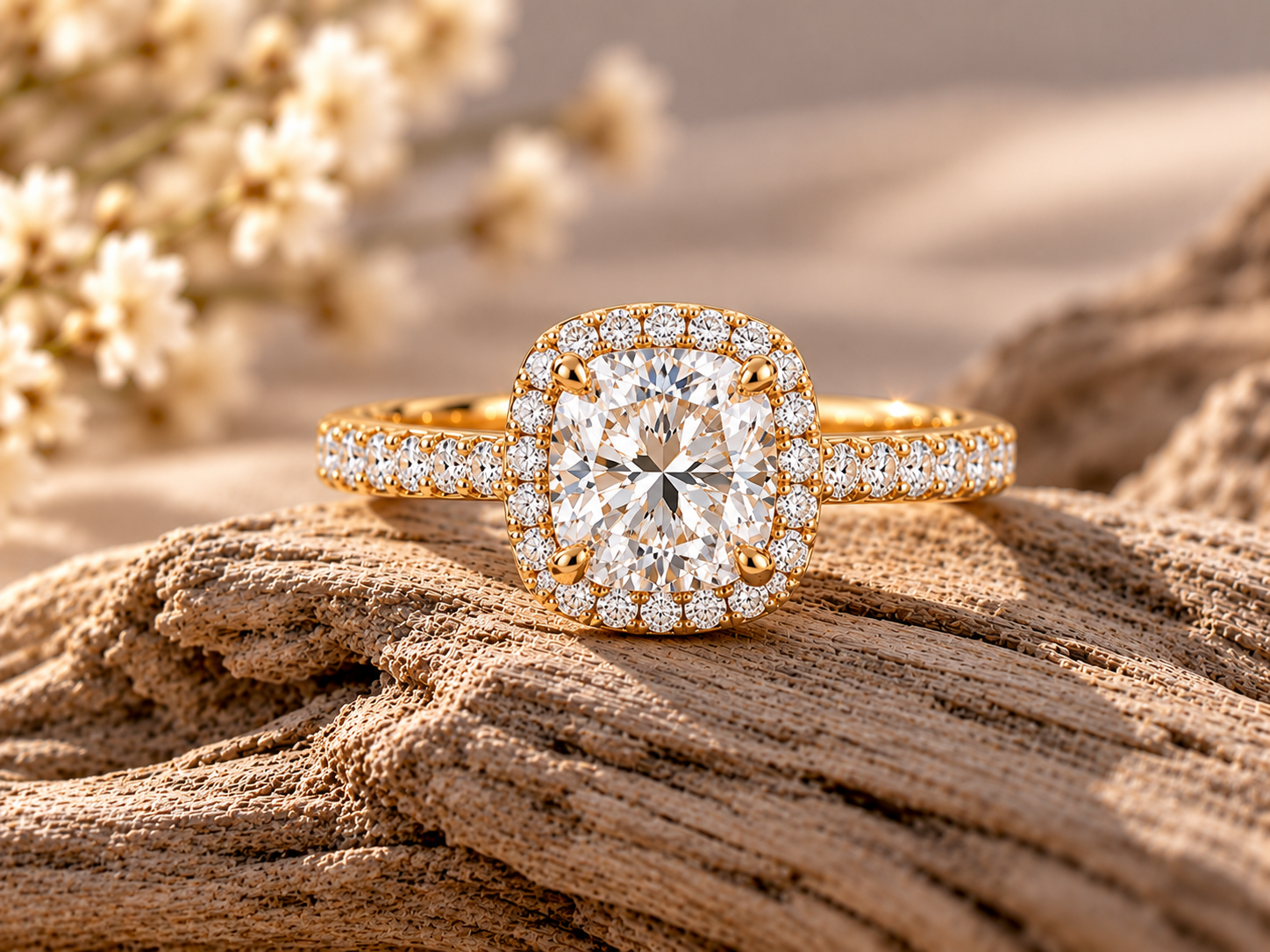
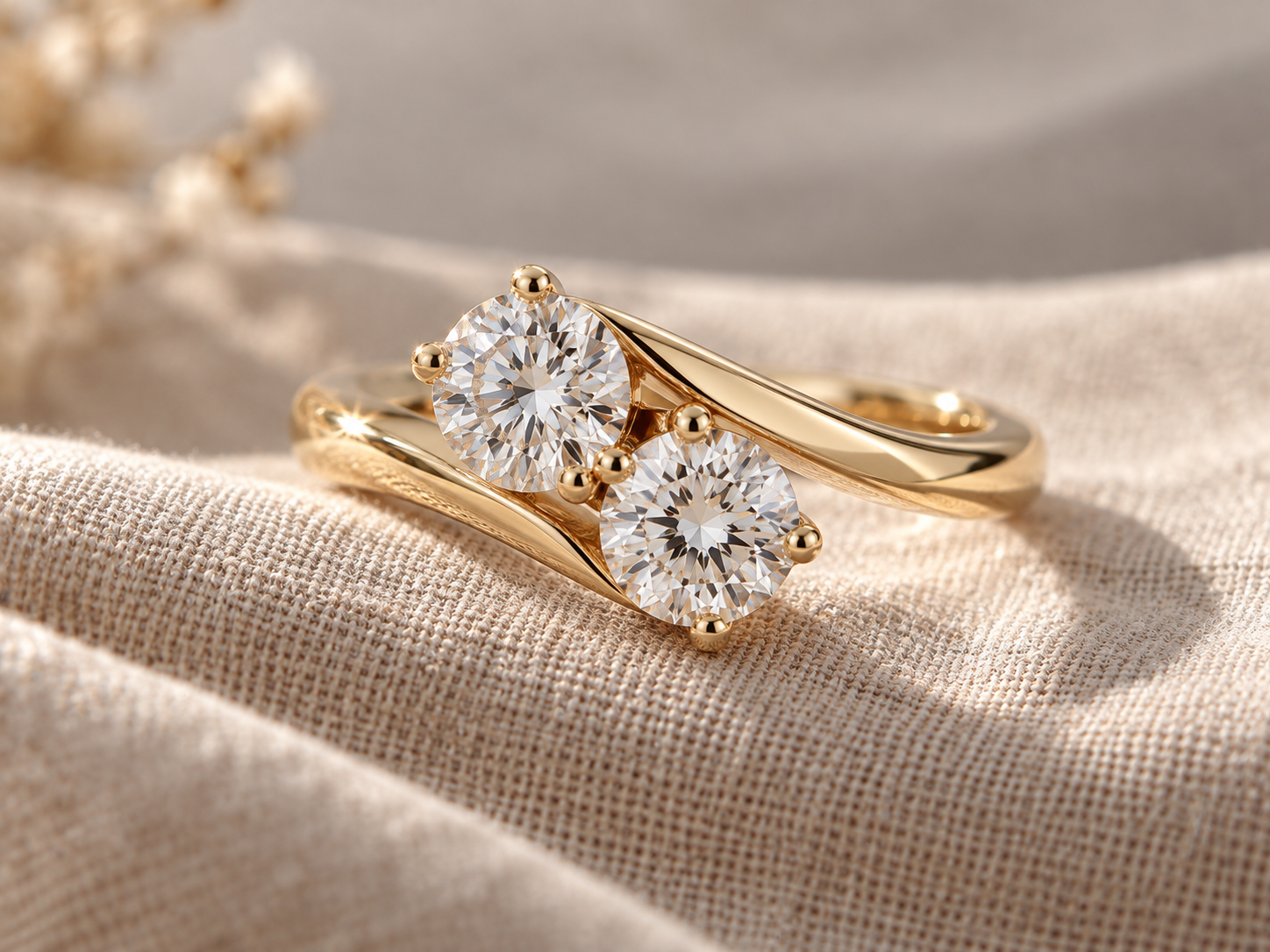
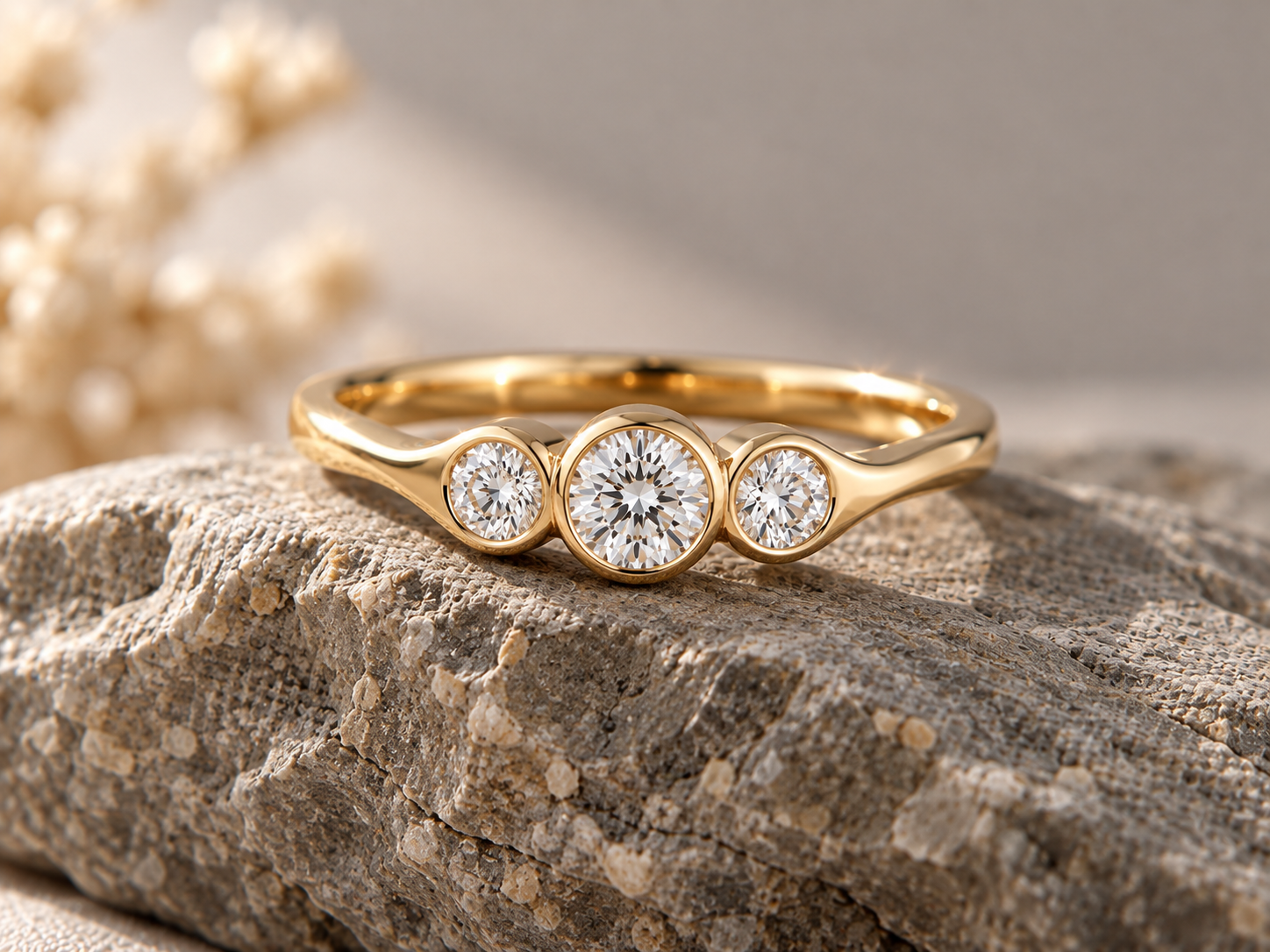
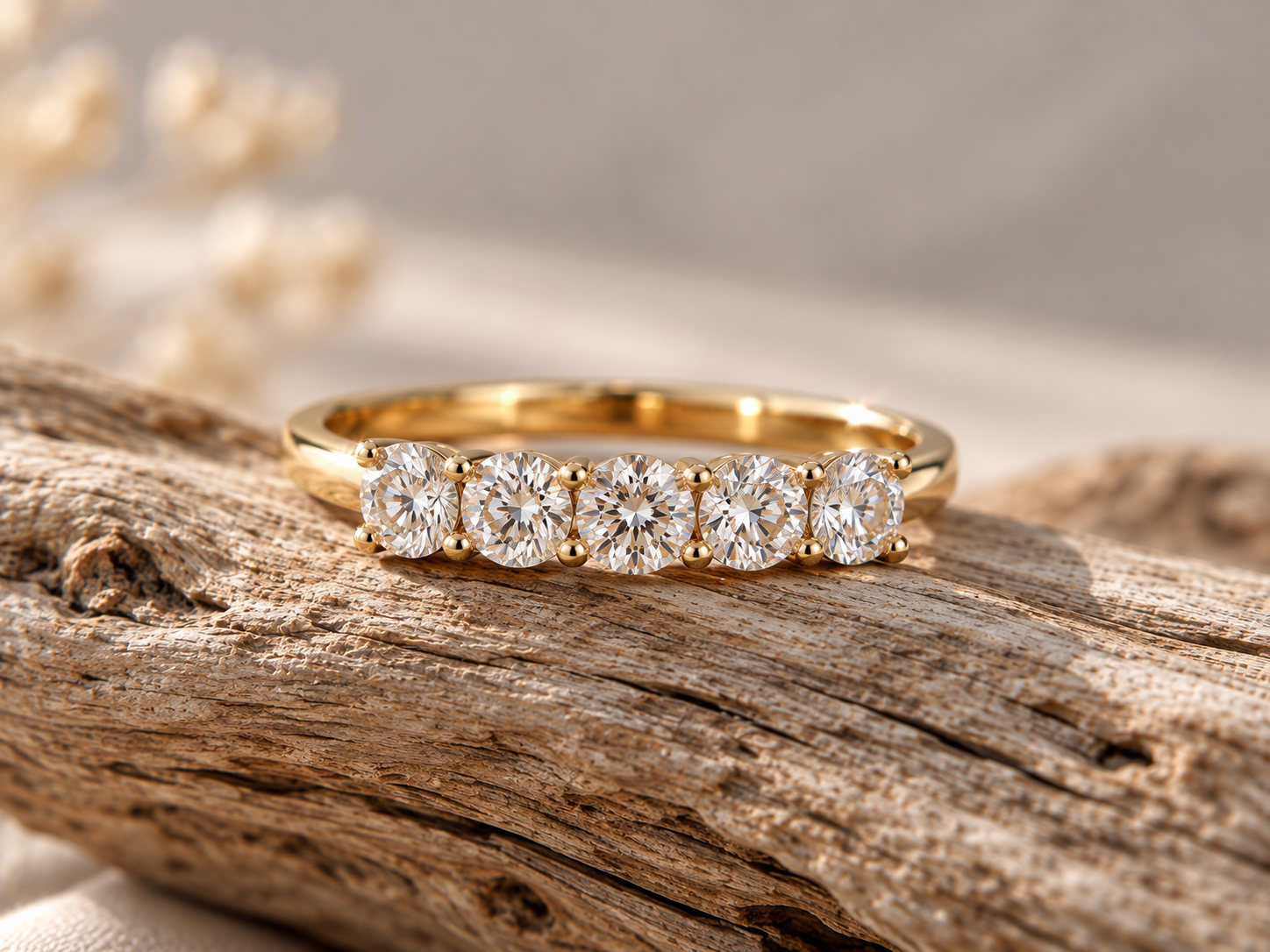
Engagement Rings
Solitaire, halo, three-stone and custom settings, set with our own certified lab grown diamonds.
Explore engagement ringsShop by type All engagement →All engagement · 829 designsCertified lab grown diamonds · New York · Hong Kong · Surat -
Wedding Bands
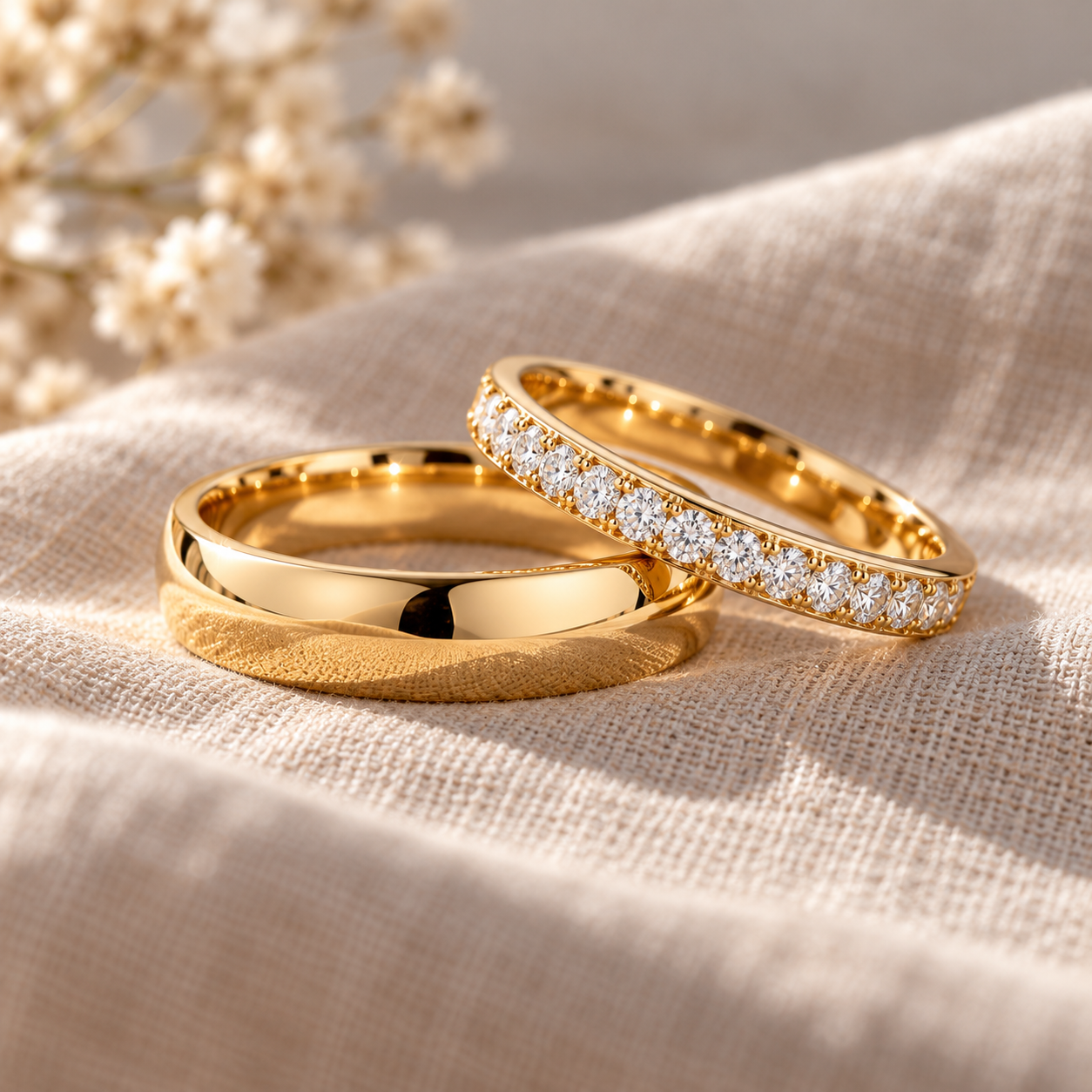 Featured · Made to fit
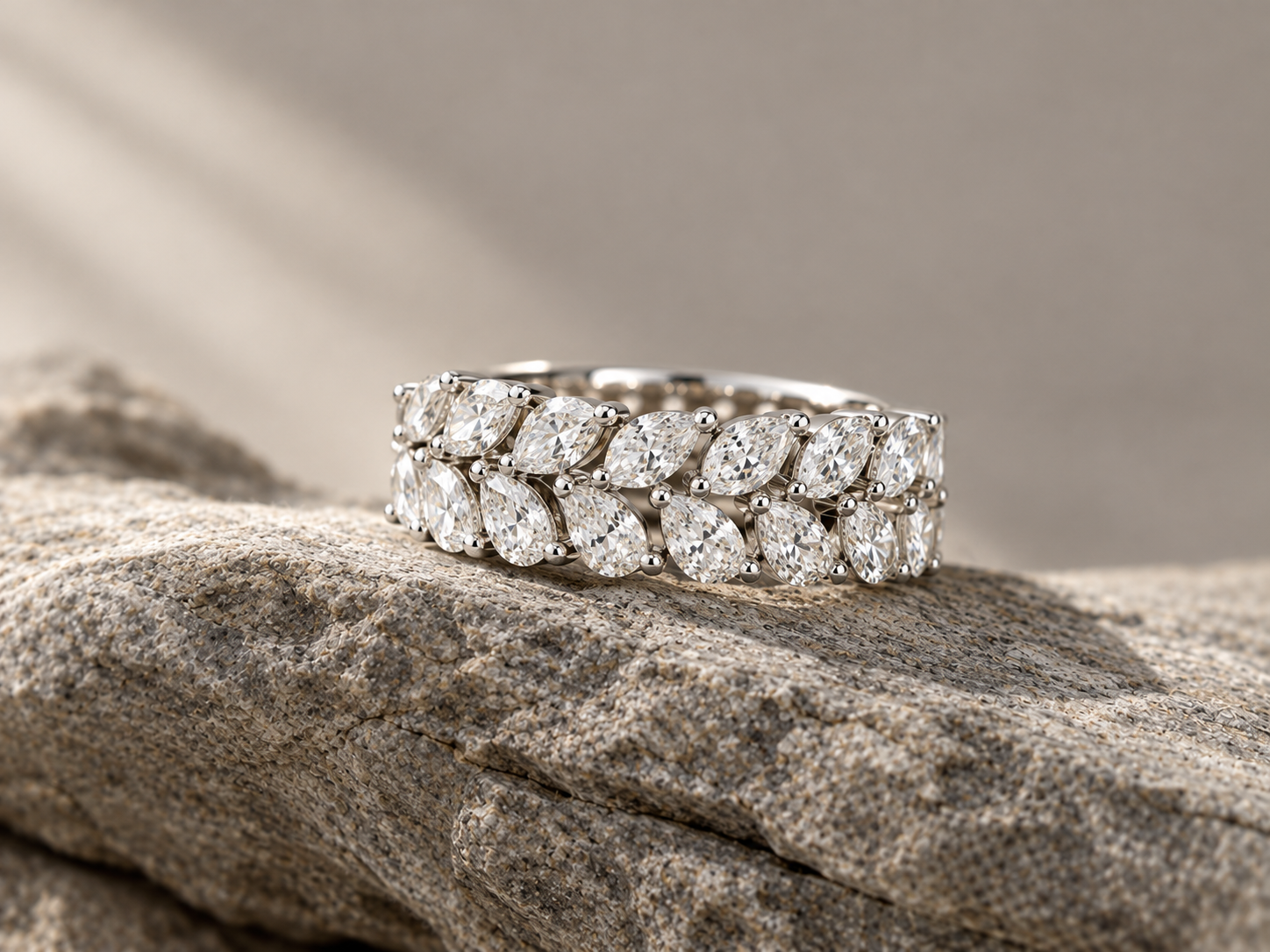
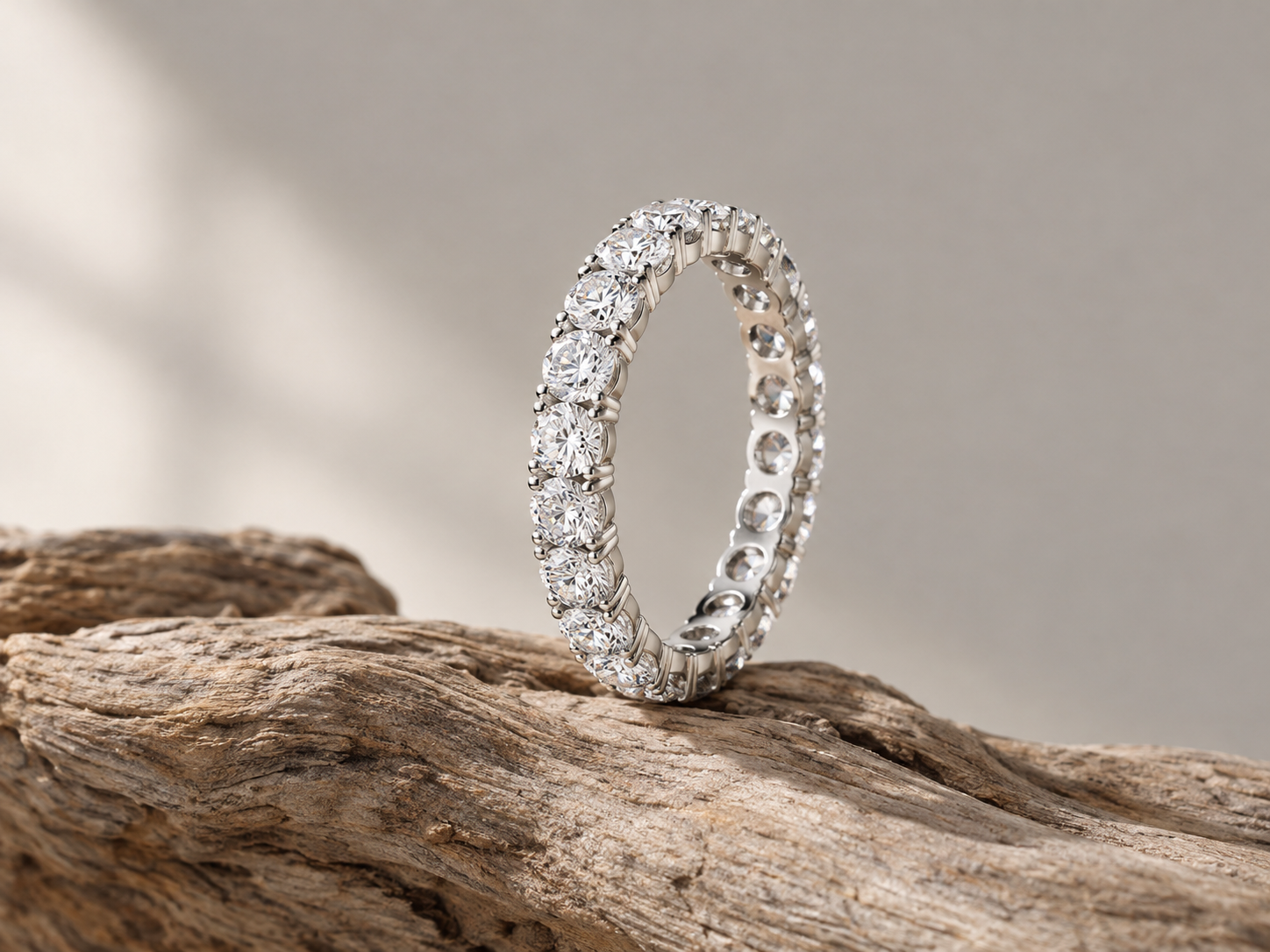
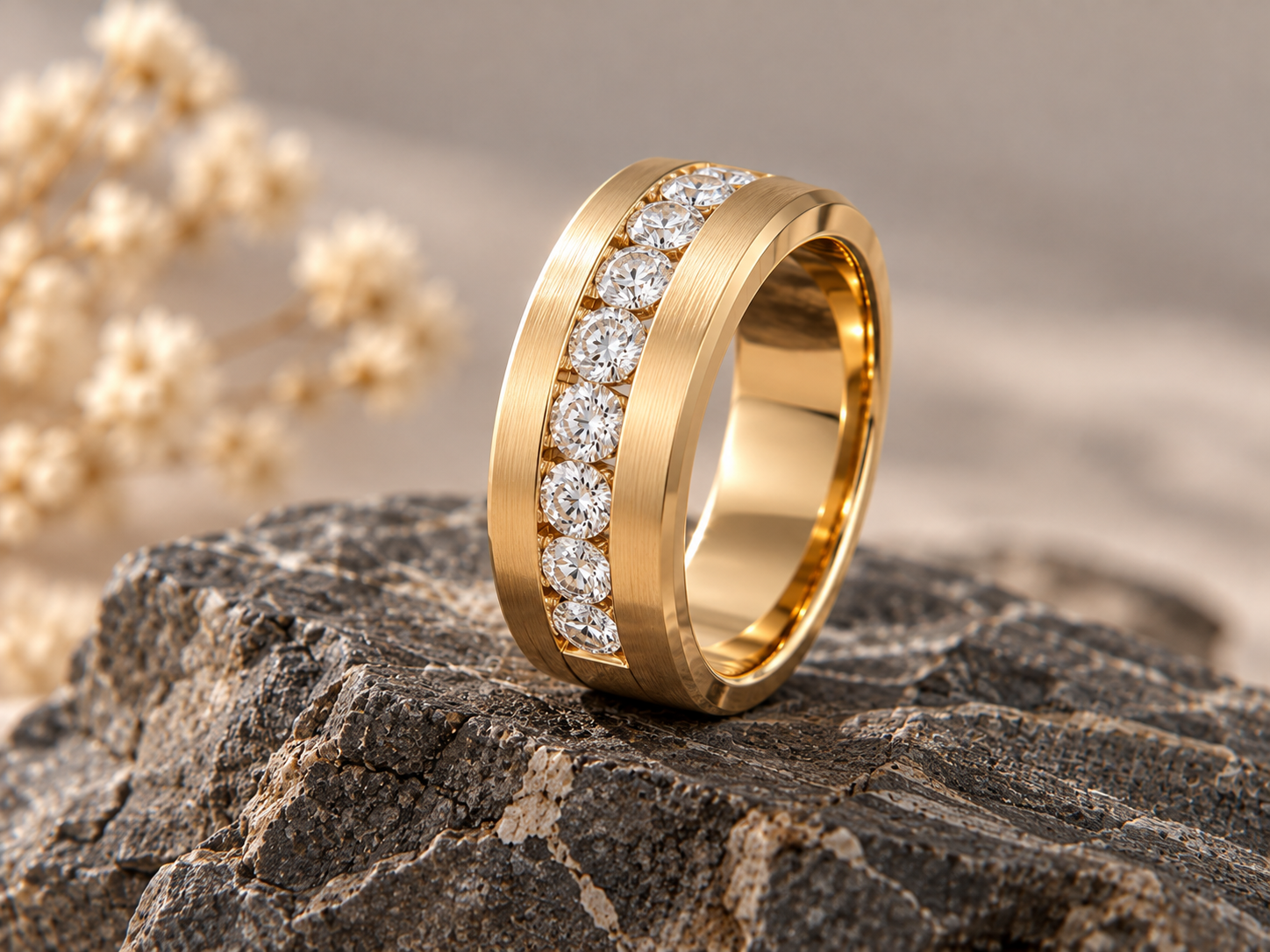
Wedding Bands
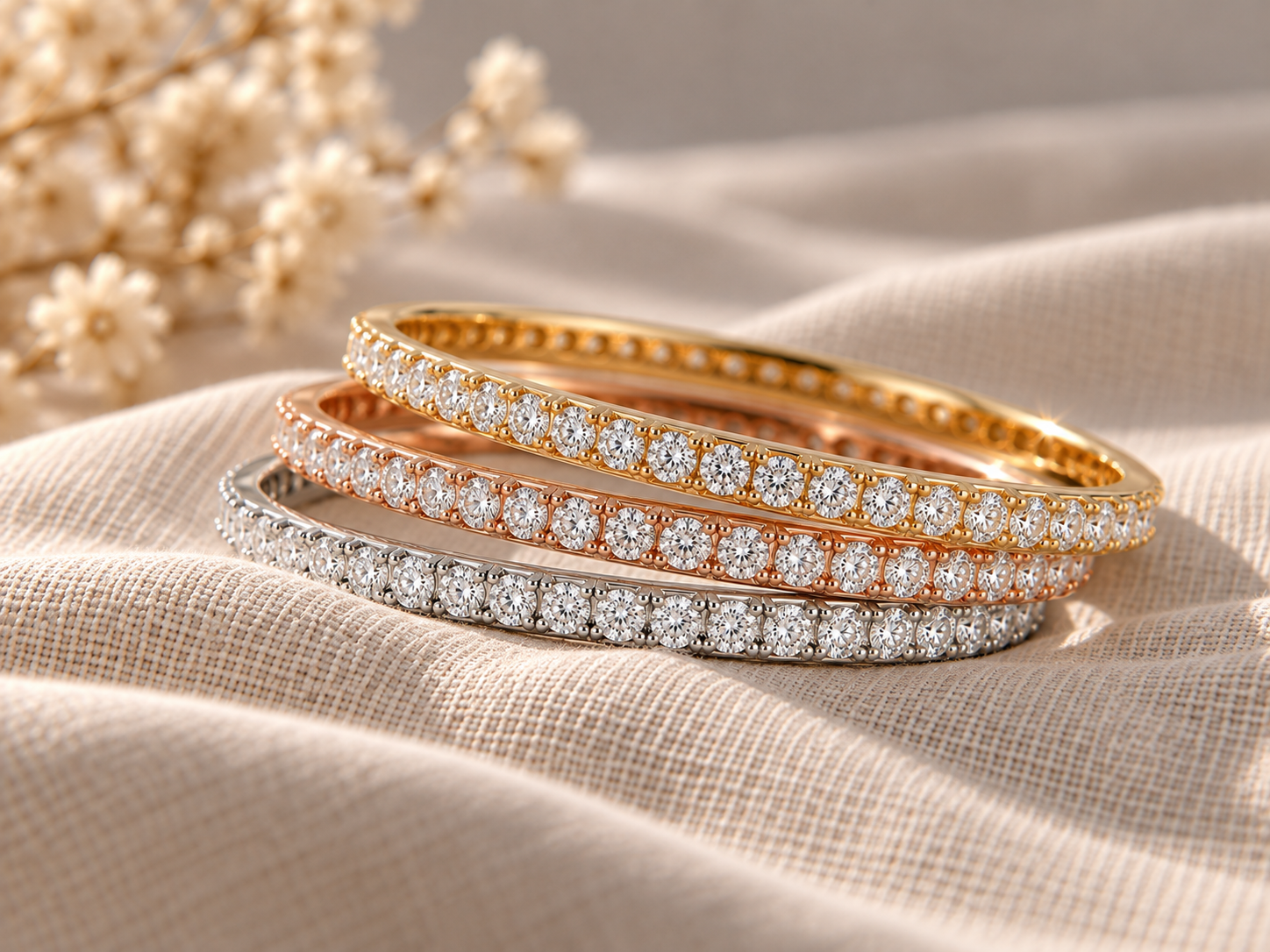
Eternity, half-eternity and classic bands, made in your size and metal.
Explore wedding bandsShop by type All wedding bands →All wedding bands · 227 designsCertified lab grown diamonds · New York · Hong Kong · Surat -
Jewelry
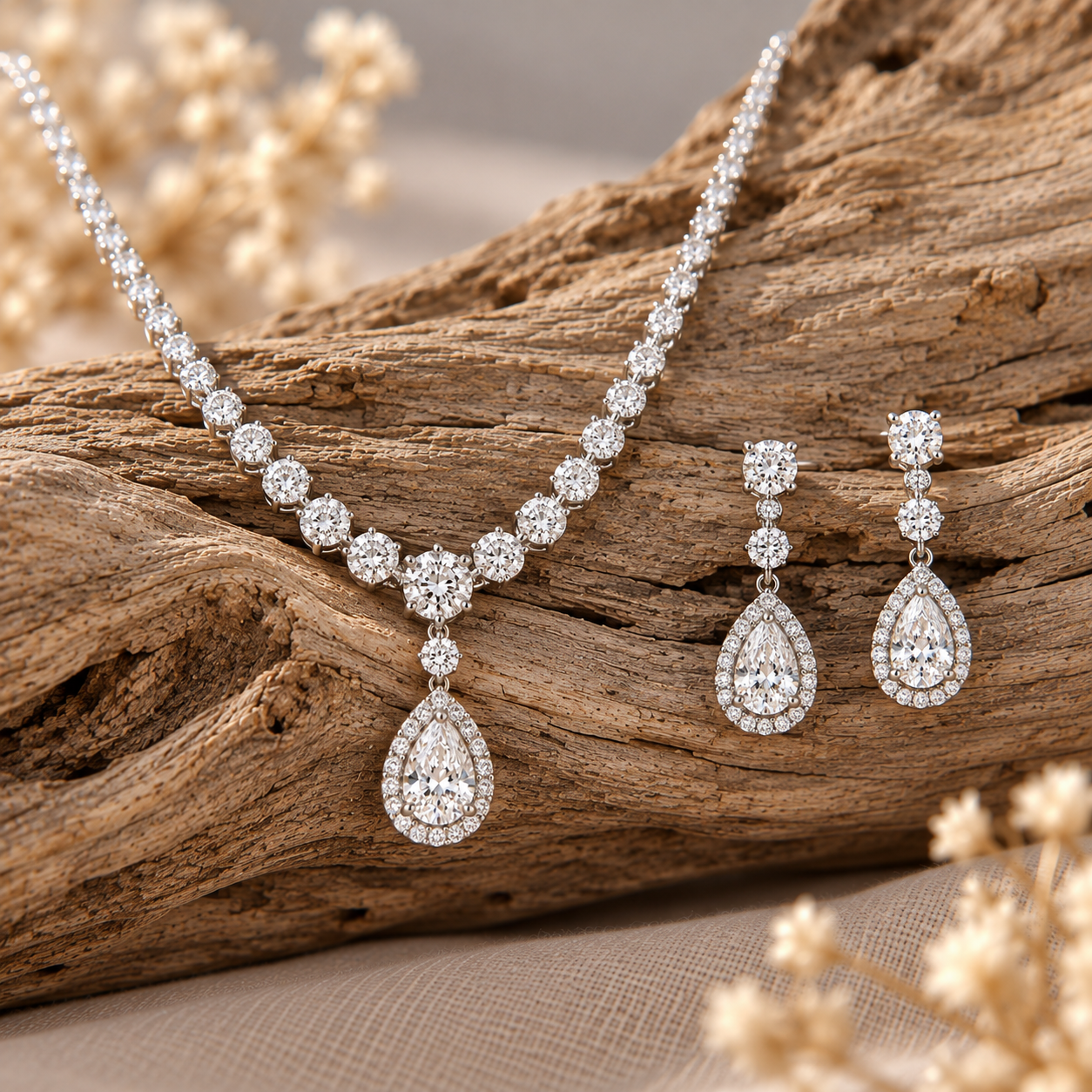 Featured · Fine jewelry
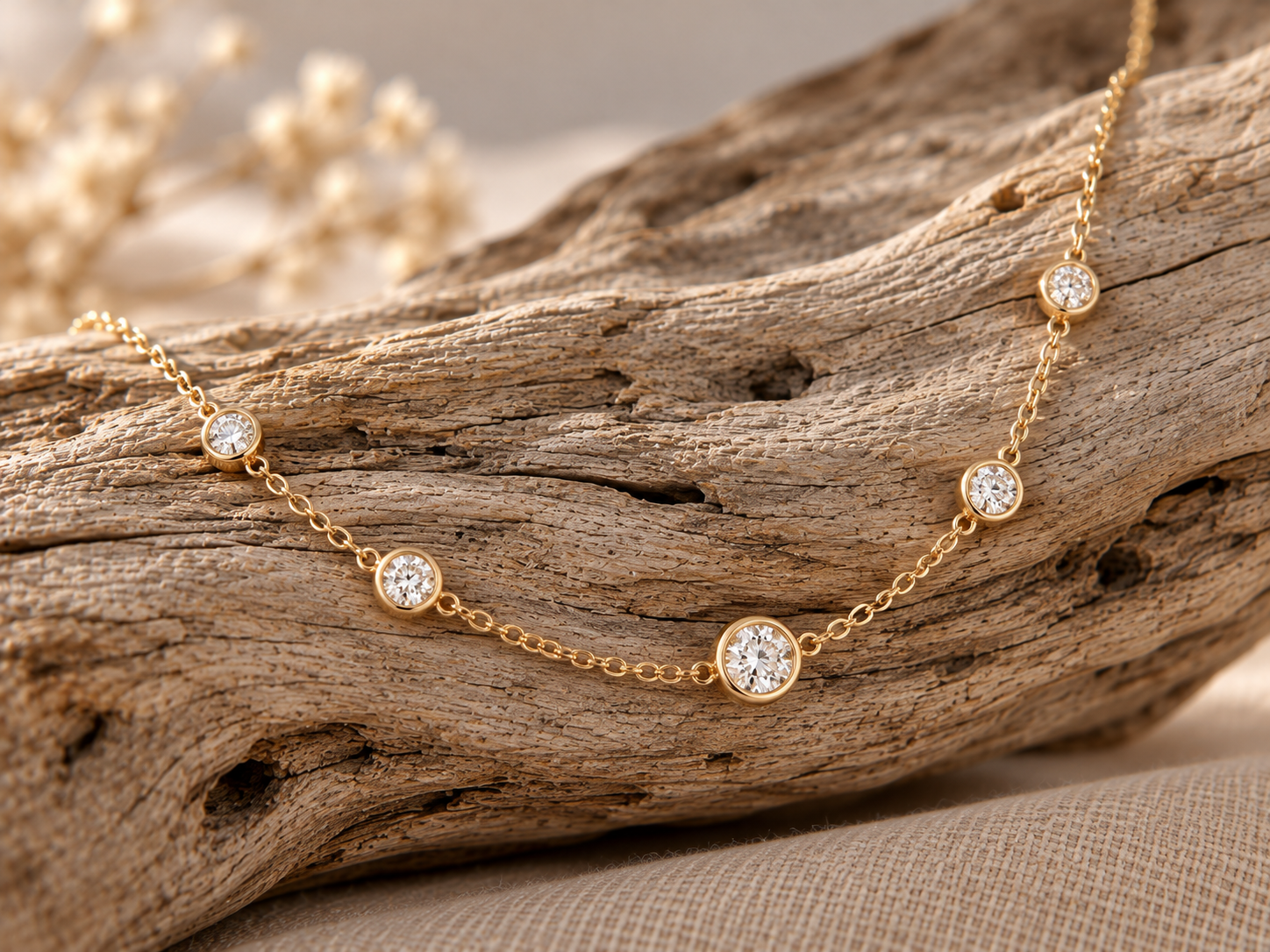
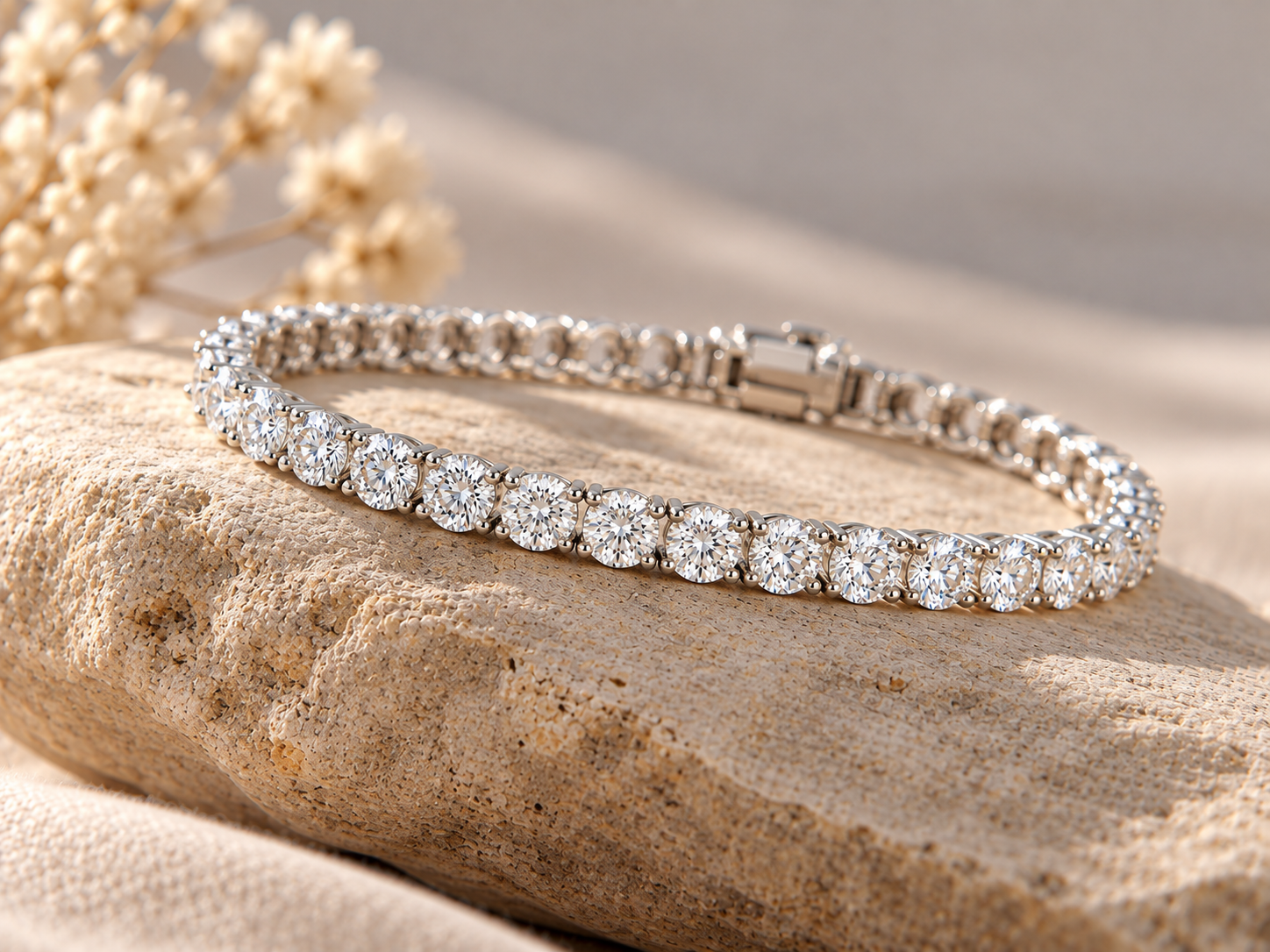
Fine Jewelry
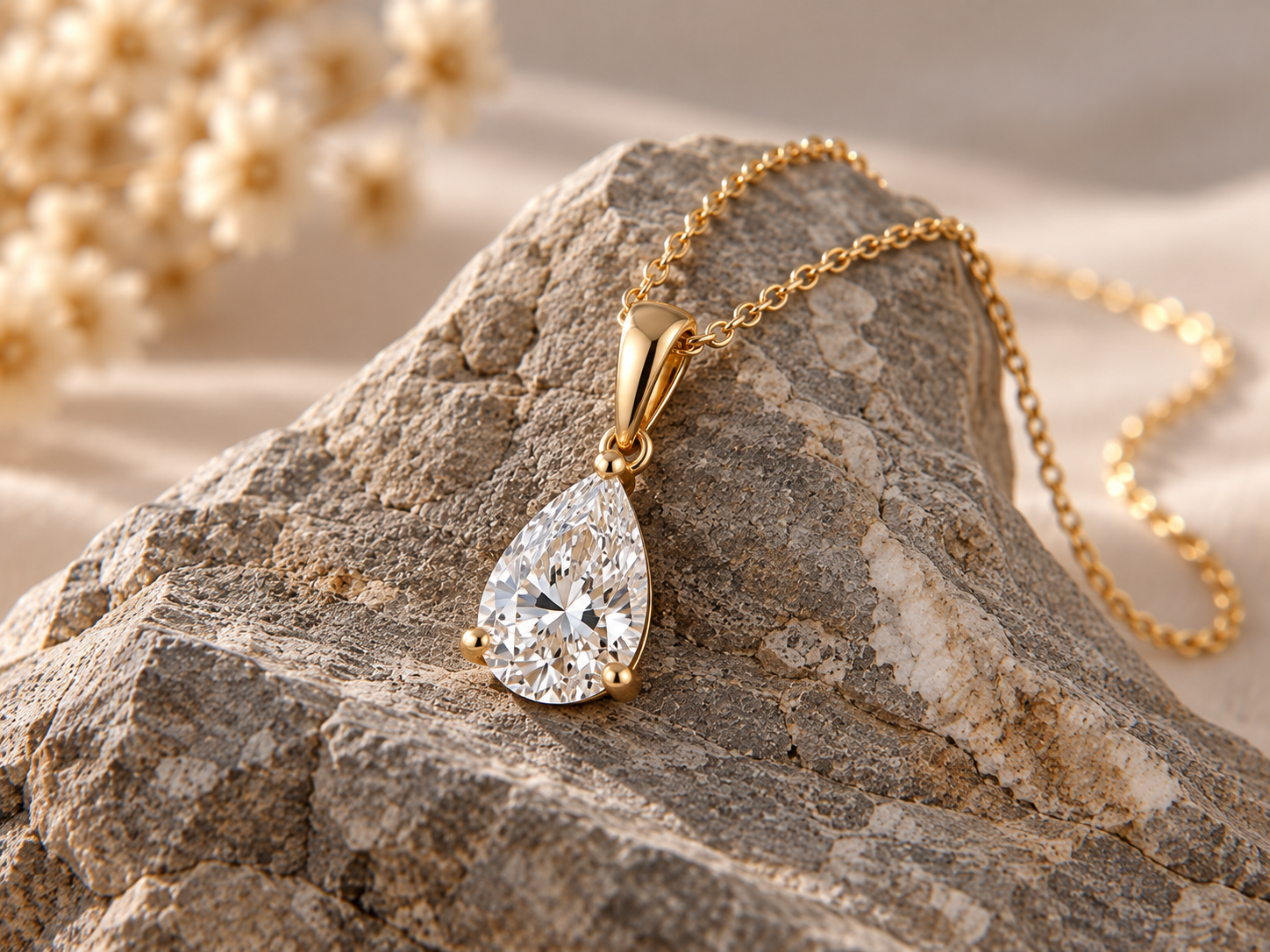
Earrings, pendants, bracelets and necklaces, finished in as little as 4 to 6 days.
Explore the jewelryShop by type All jewelry →All jewelry · 1,400+ designsCertified lab grown diamonds · New York · Hong Kong · Surat -
Ready To Ship
In stock · Ships fast
Ready to Ship
Finished pieces already made and ready to dispatch, no waiting.
Shop ready to shipShop by type All ready to ship →All ready to ship · 284 in stockCertified lab grown diamonds · New York · Hong Kong · Surat - Design Your Own
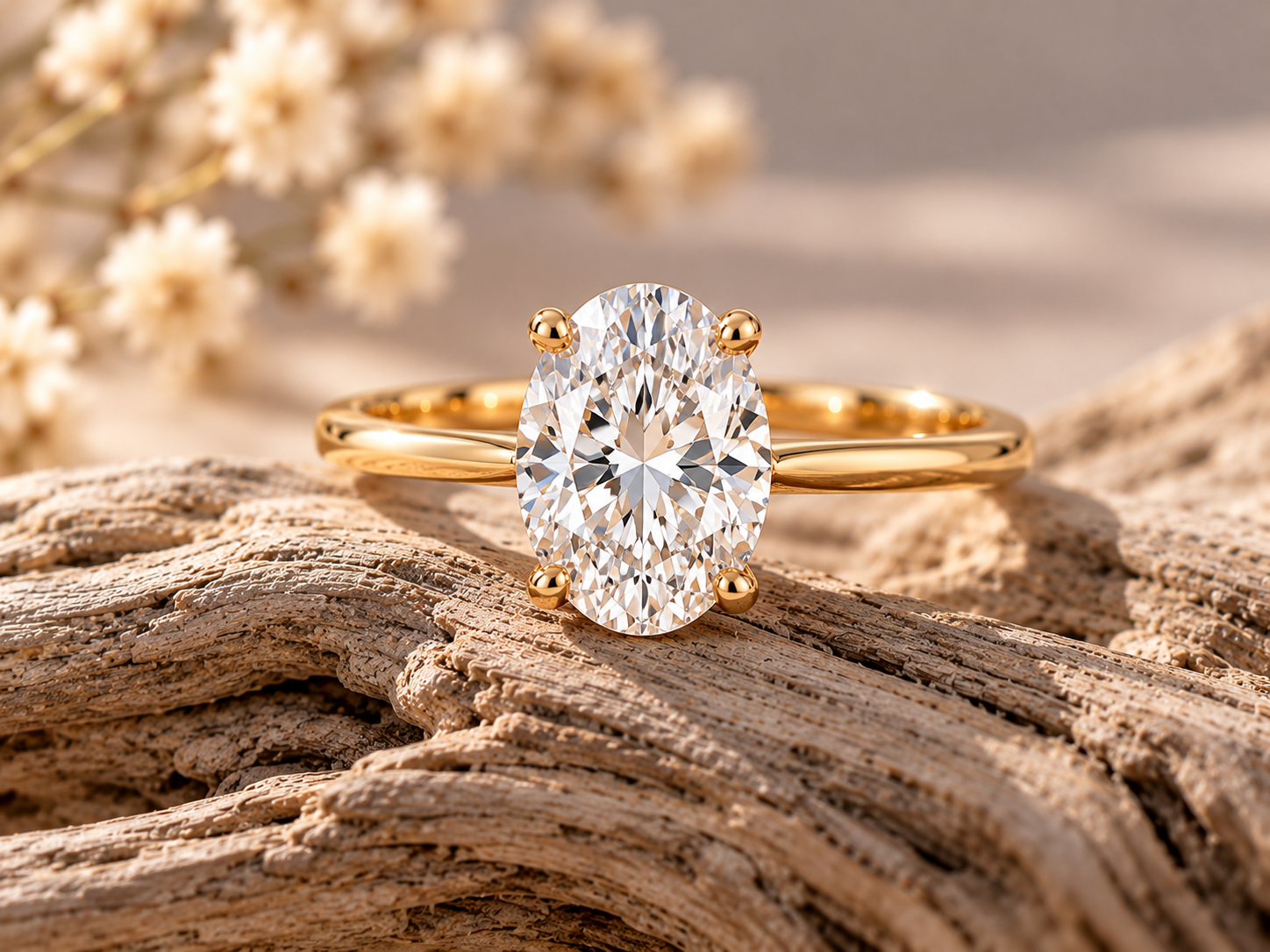





Learn what makes a diamond brilliant.
From its origins to the 4Cs that define its quality and value — a simple, interactive guide to buying with confidence.
What is a diamond?
Diamonds are more than stunning gemstones; they're symbols of love, luxury and enduring strength. Formed under immense pressure and heat, they possess an unmatched fire and brilliance that has captivated people for centuries.
And that brilliance can be responsibly created too. Lab grown diamonds offer the same mesmerising beauty without the environmental impact of traditional mining — they're indistinguishable from mined diamonds, without compromising on quality or beauty.
Unveiling the 4Cs.
Carat weight, colour, clarity and cut — a global method that lets diamond quality be expressed in one universal language, so you know exactly what you're buying. Tap a grade to see the difference.
Cut
The cut of a diamond decides how well it plays with light — how well it is faceted, proportioned and polished. It has the biggest influence on beauty and sparkle, and is often regarded as the most important (and most difficult) of the 4Cs. It's also the only C not decided by nature. A well-cut diamond means maximum brilliance — a timeless symbol of elegance.
Carat
Carat tells you how much a diamond weighs. One metric carat is 200 milligrams — about a fifth of a gram — written as "ct". Each carat has 100 points, just like a dollar has 100 cents, so "1.45ct" means one carat and 45 points. Larger diamonds are rarer and, all else being equal, more valuable.
Clarity
Clarity shows how free a diamond is from marks. Most diamonds have tiny internal features called inclusions and surface marks called blemishes. Trained graders examine them under 10× magnification and judge their number, size, visibility, nature and position. Understanding clarity helps you appreciate each stone's character — and choose the right one.
Colour
Colour measures how colourless a diamond is. Most "white" diamonds hold tiny traces of yellow, brown or grey. On the D-to-Z scale, a completely colourless diamond is a D, while one with a light tint is a Z. Truly colourless diamonds are rare, so most jewellery uses near-colourless stones — understanding colour helps you balance appearance and budget.
More guides from our experts.
Now you know the 4Cs — find your diamond.
Explore our certified lab grown diamonds, or let an expert help you choose.