
-
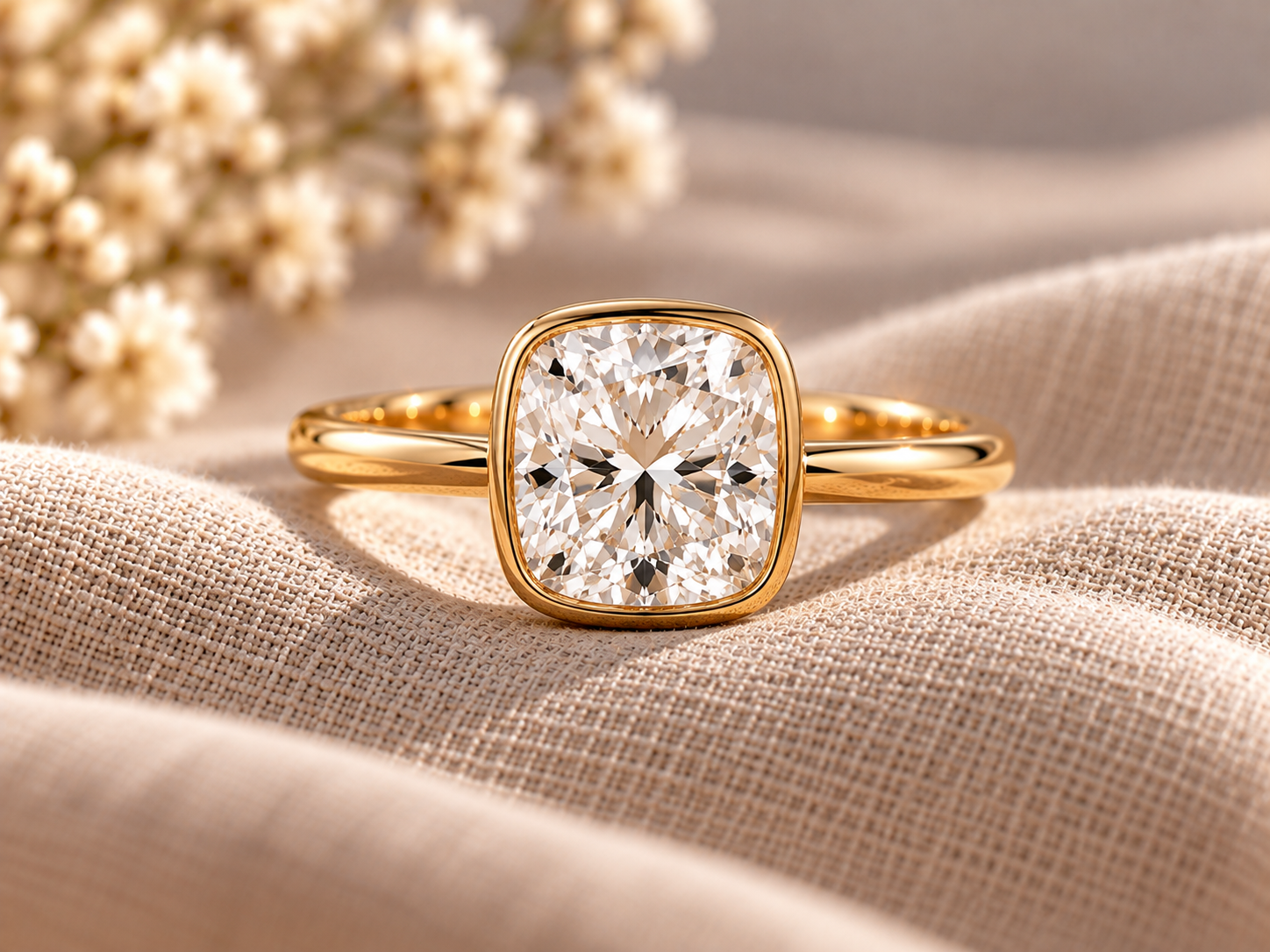
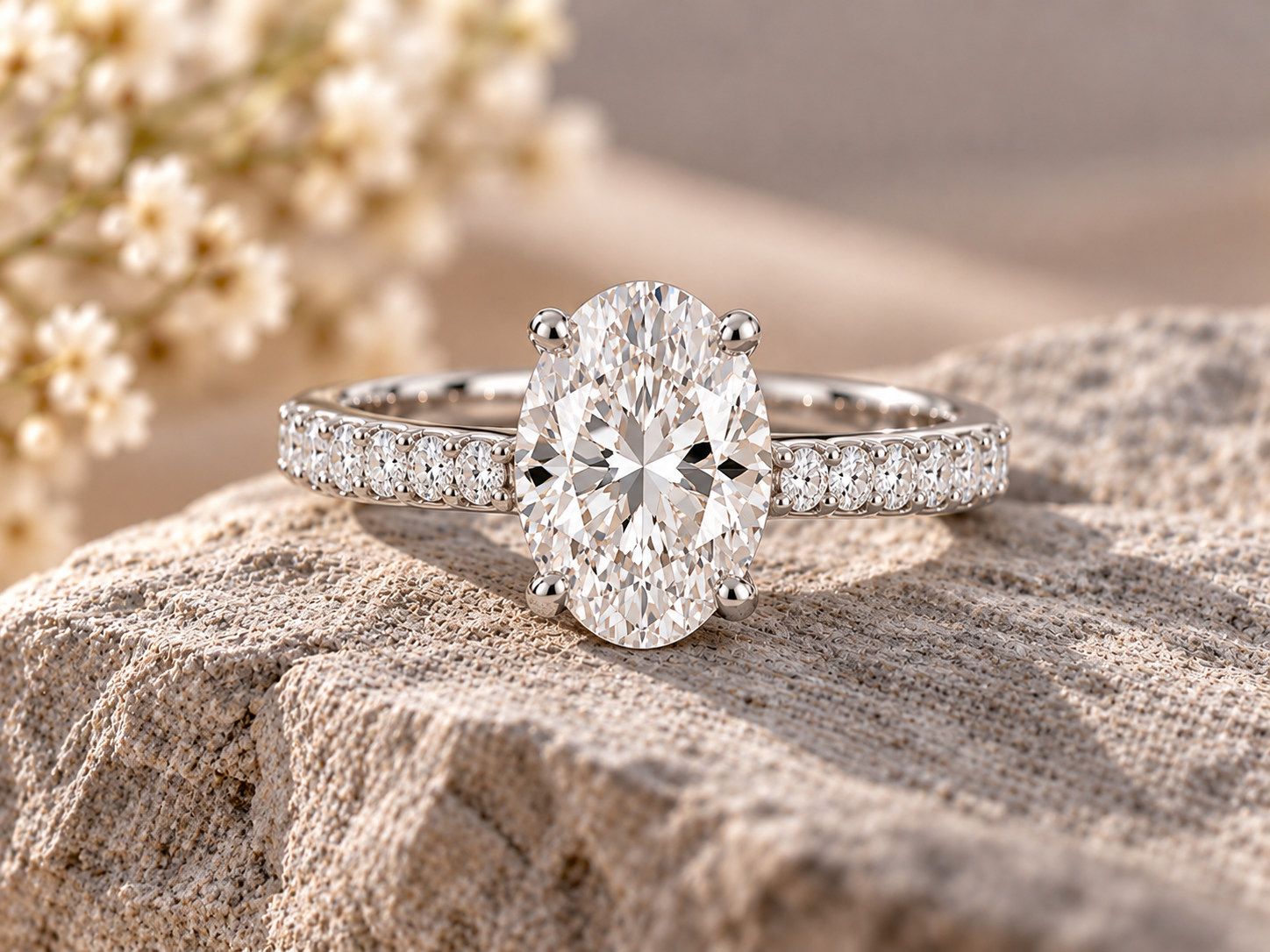
Engagement
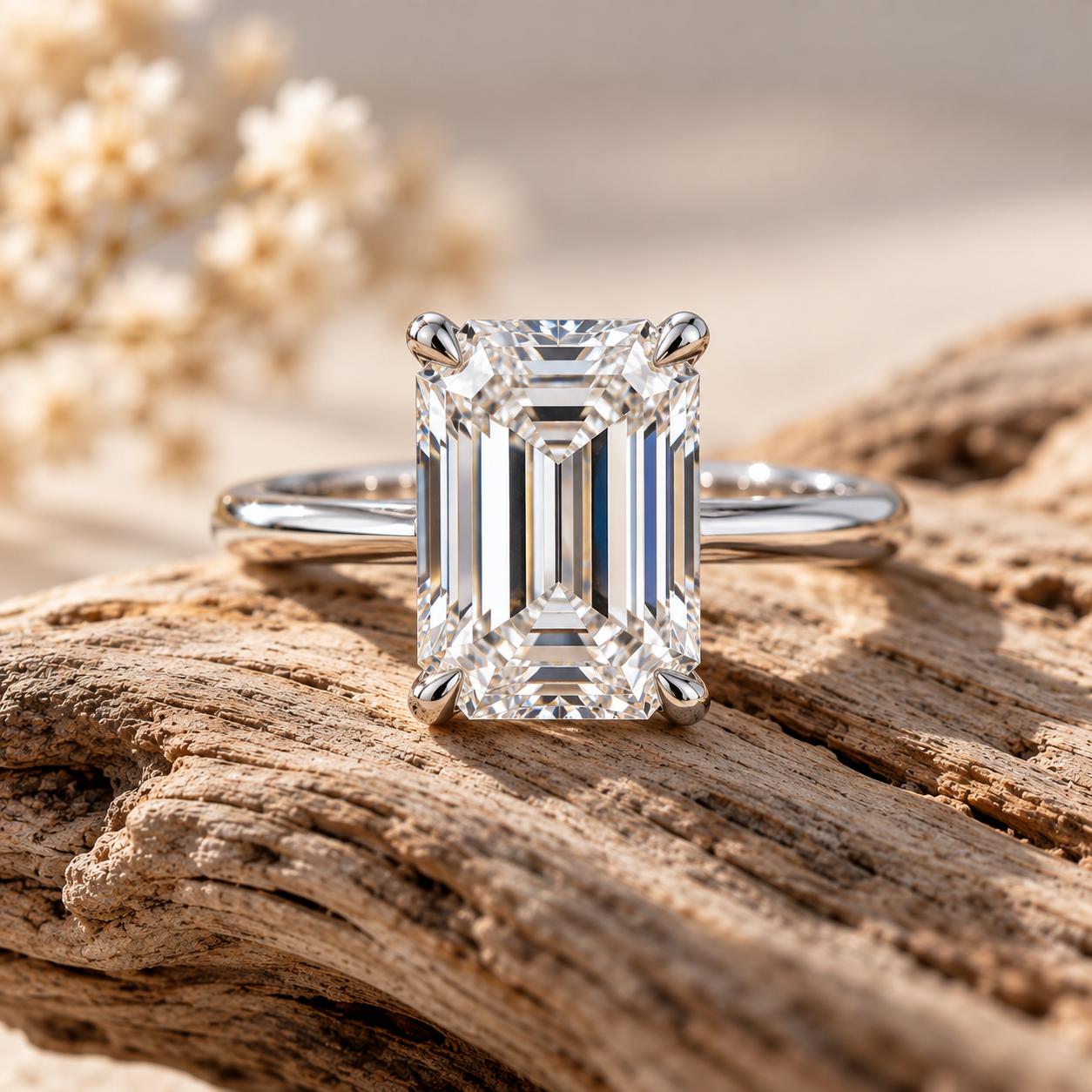 Featured · Made to order
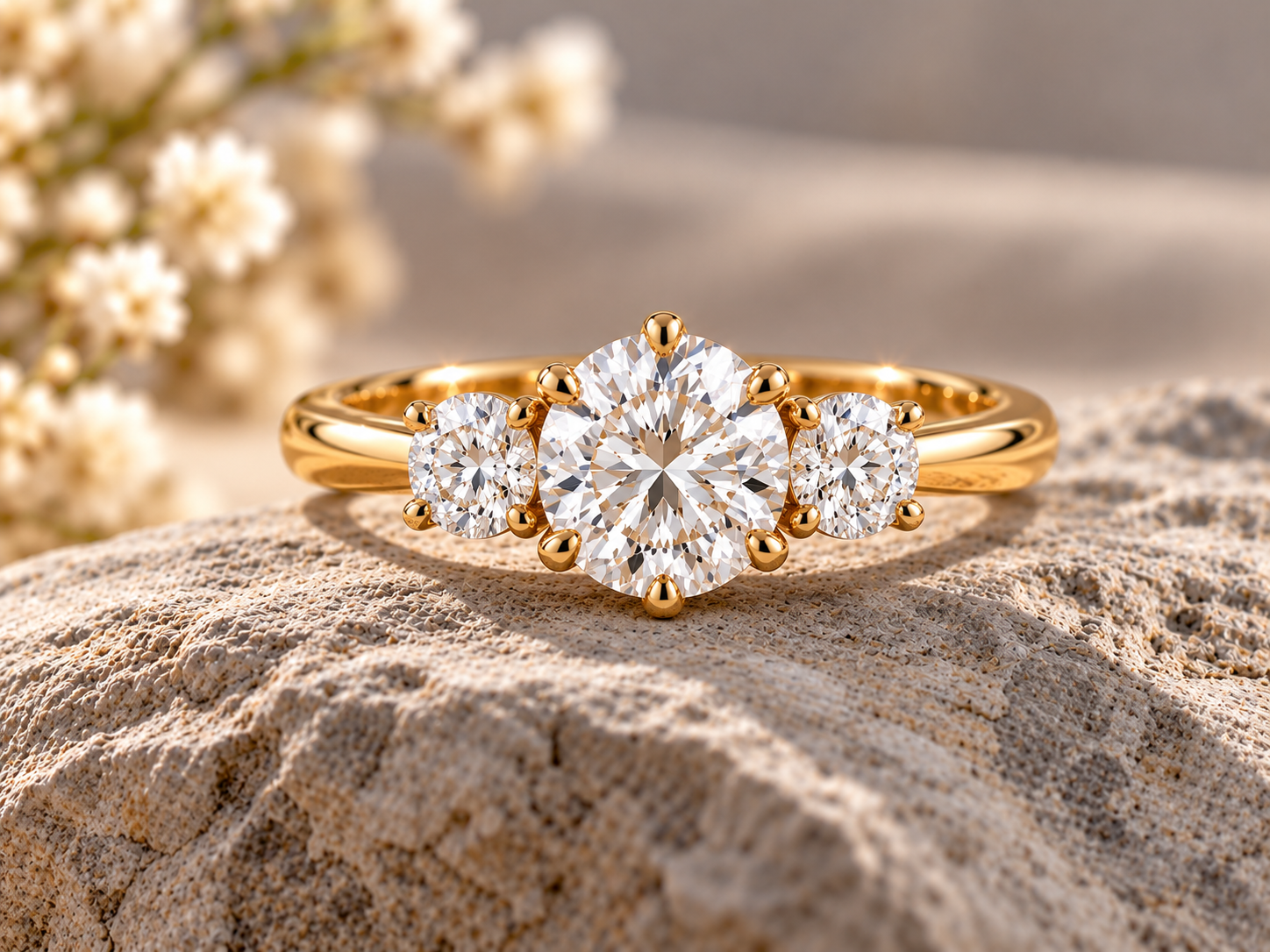
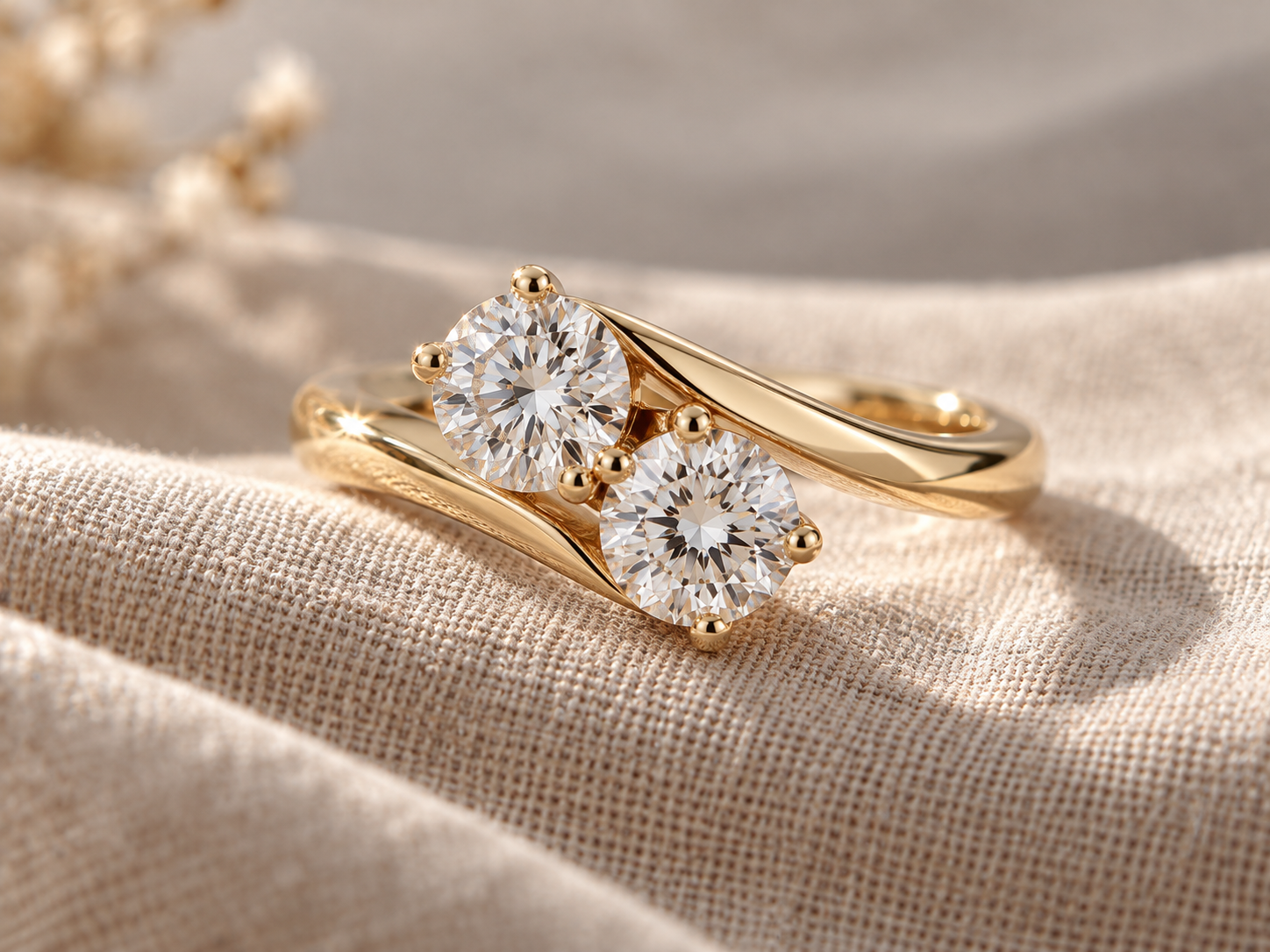
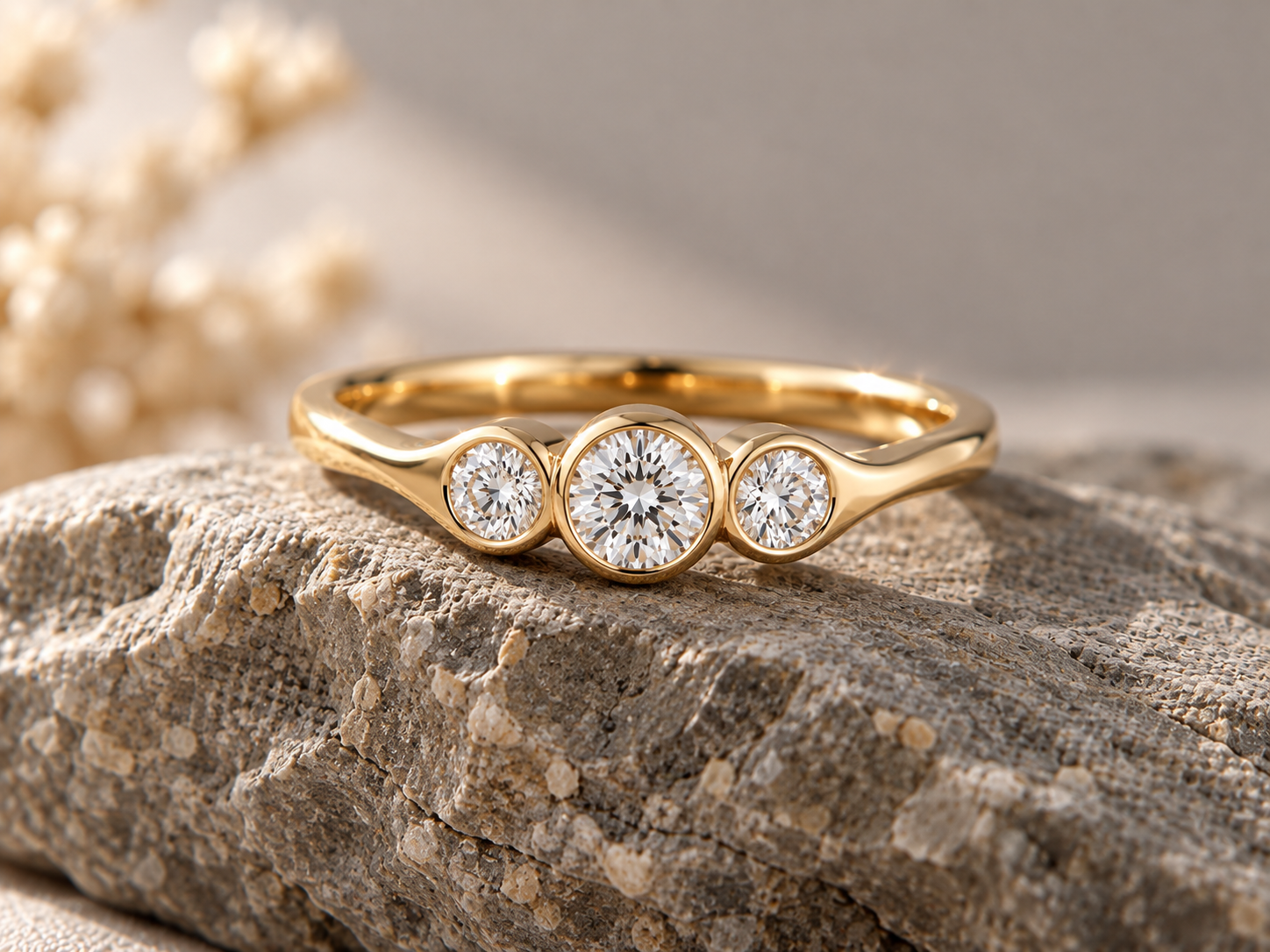
Engagement Rings
Solitaire, halo, three-stone and custom settings, set with our own certified lab grown diamonds.
Explore engagement ringsShop by type All engagement →All engagement · 1,000+ designsCertified lab grown diamonds · New York · Hong Kong · Surat -
Wedding Bands
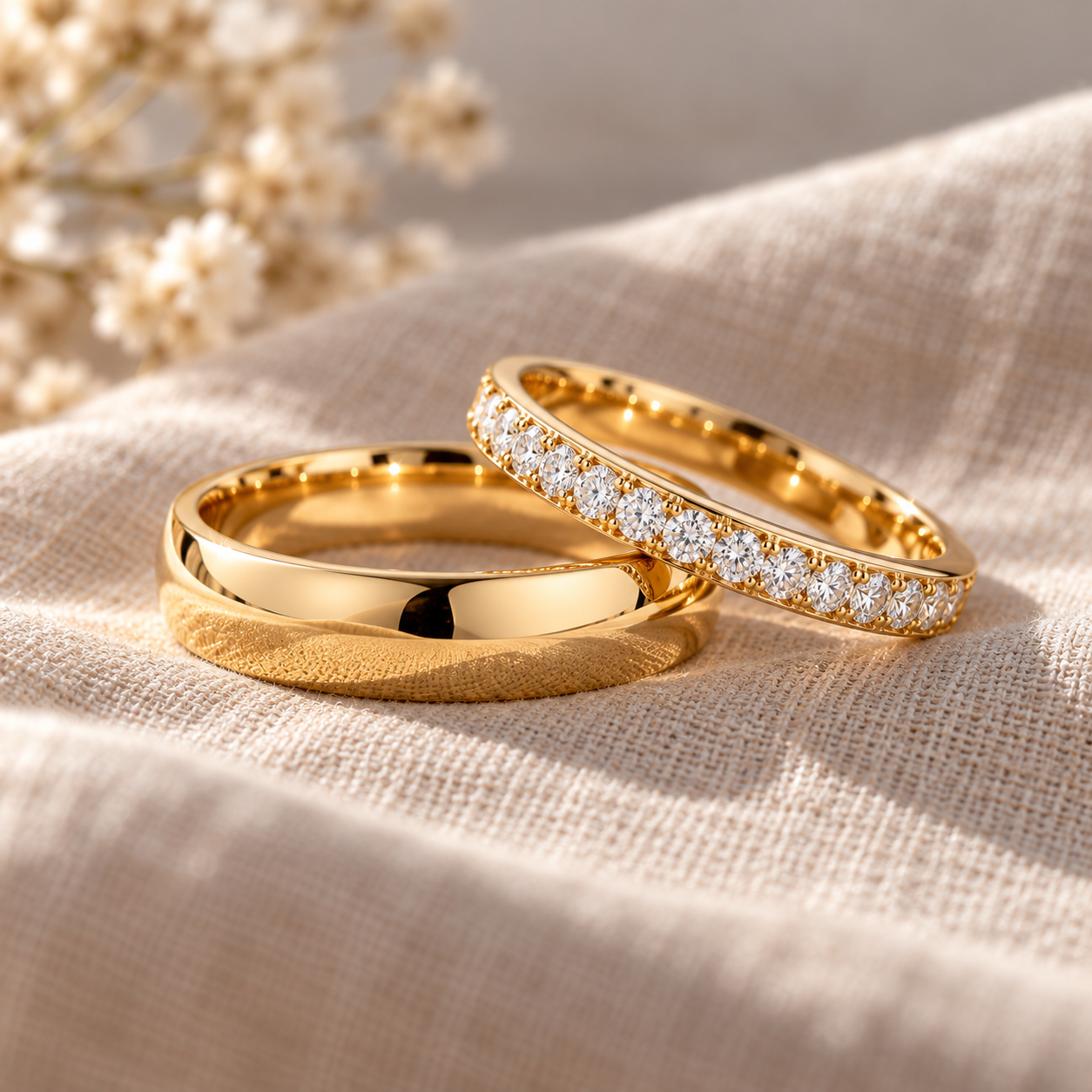 Featured · Made to fit
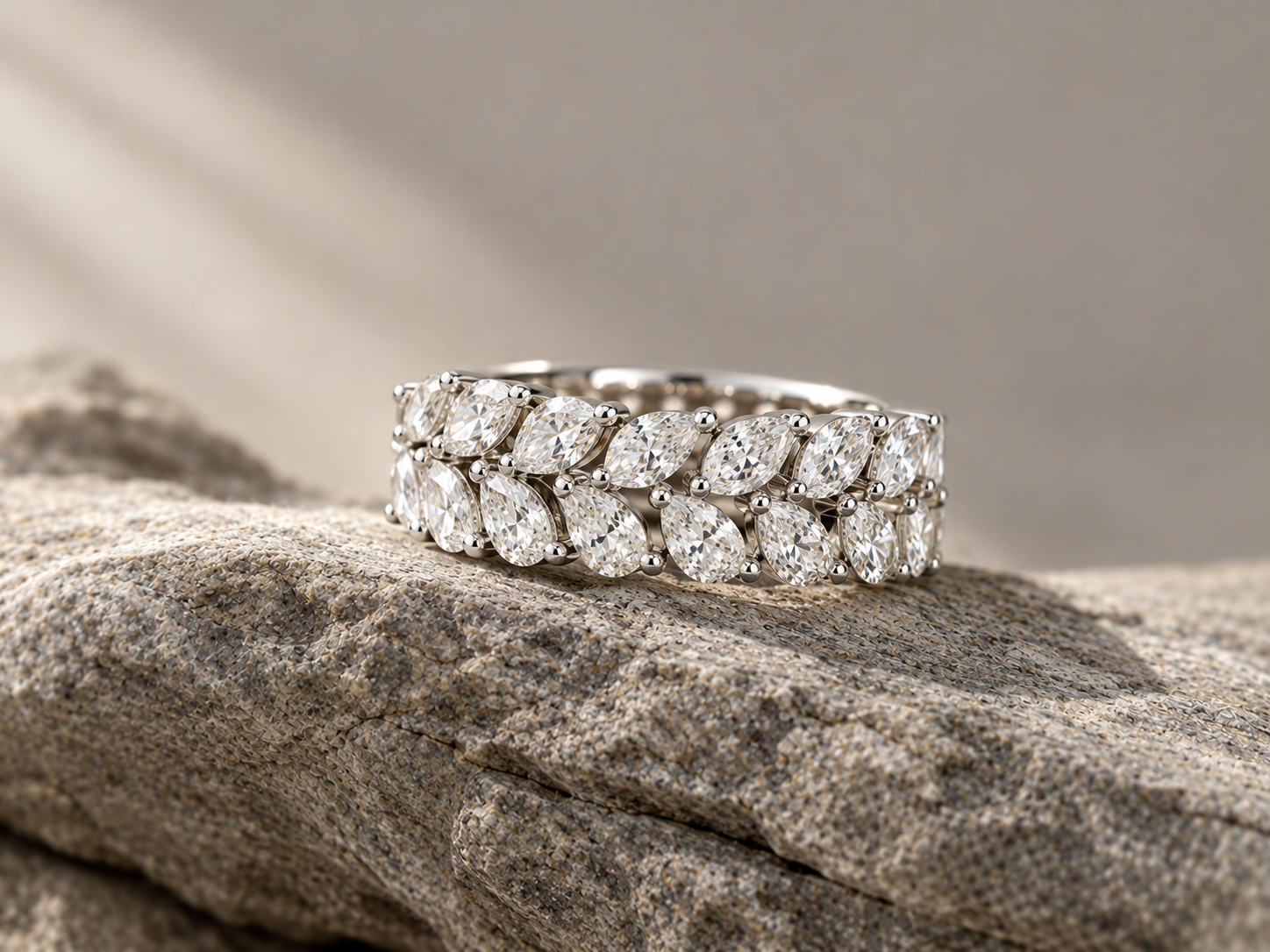
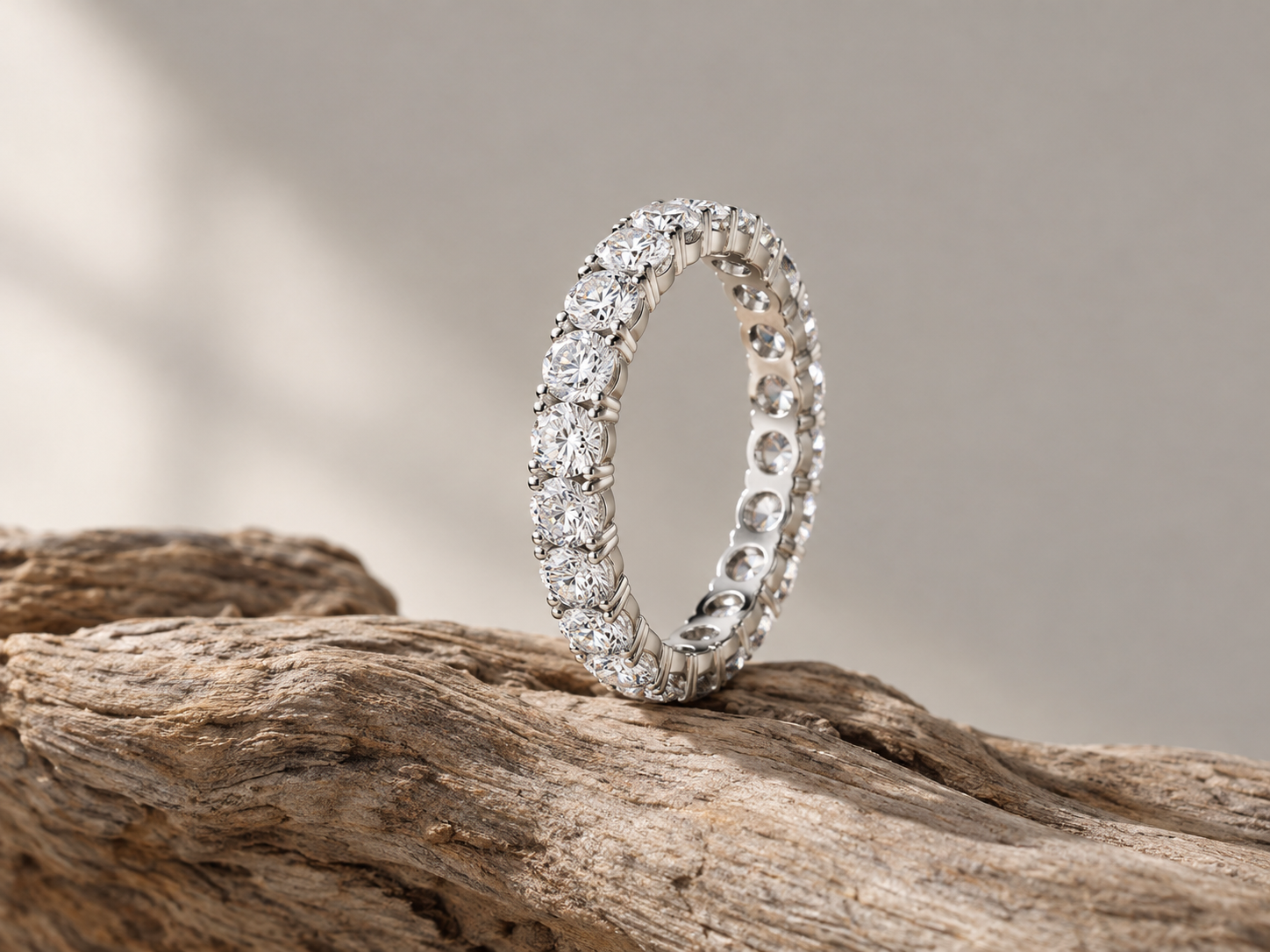
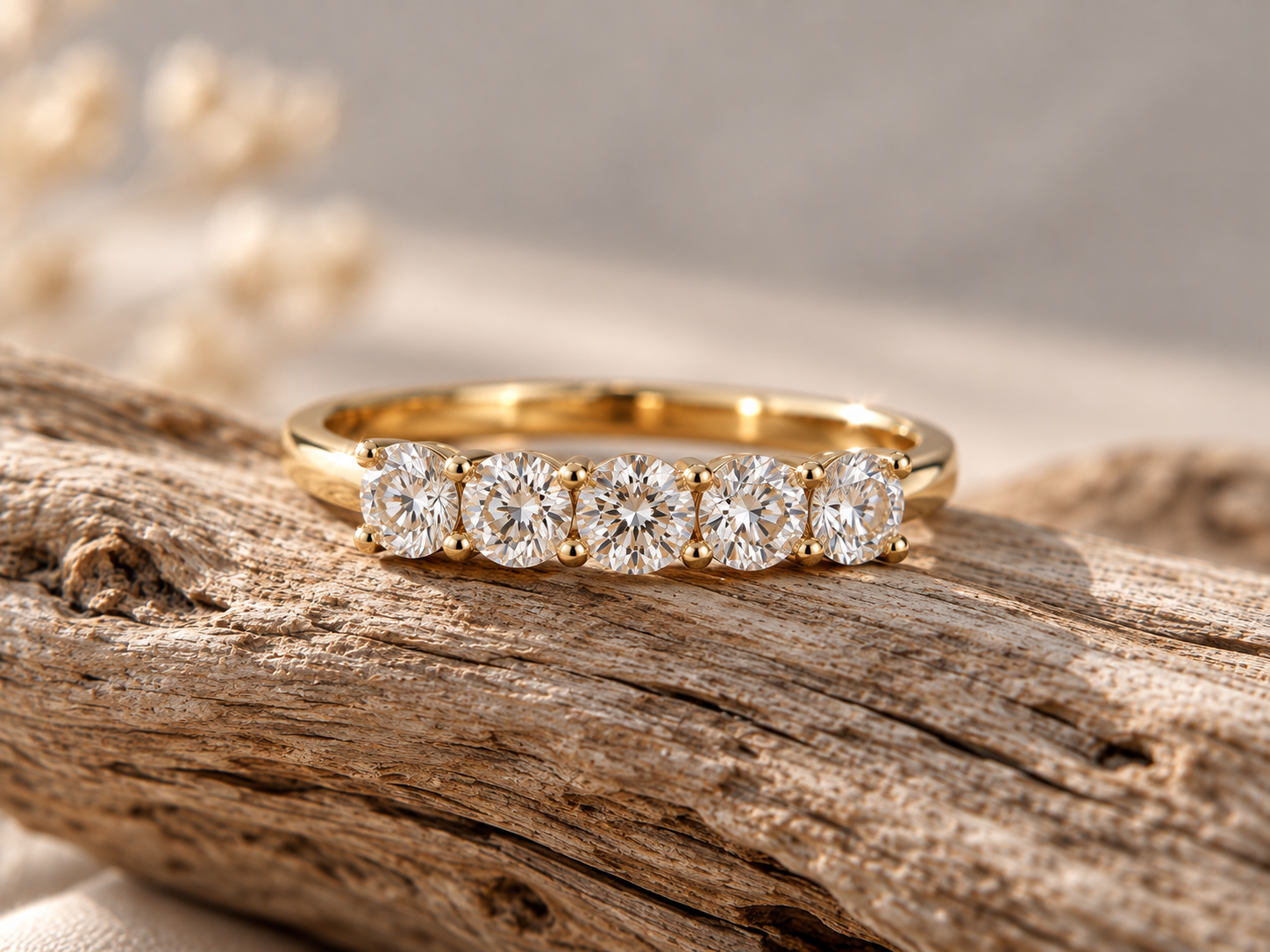
Wedding Bands
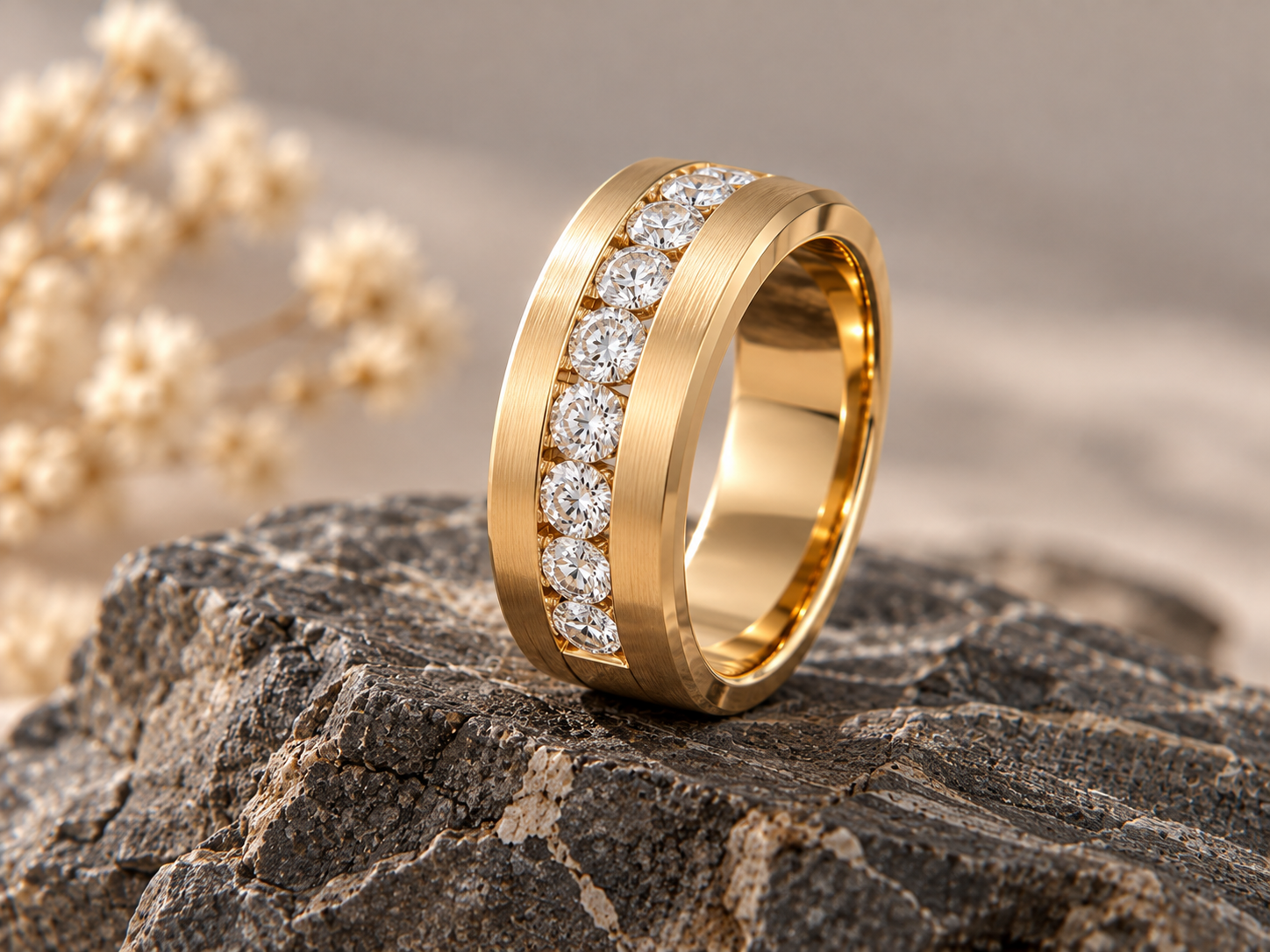
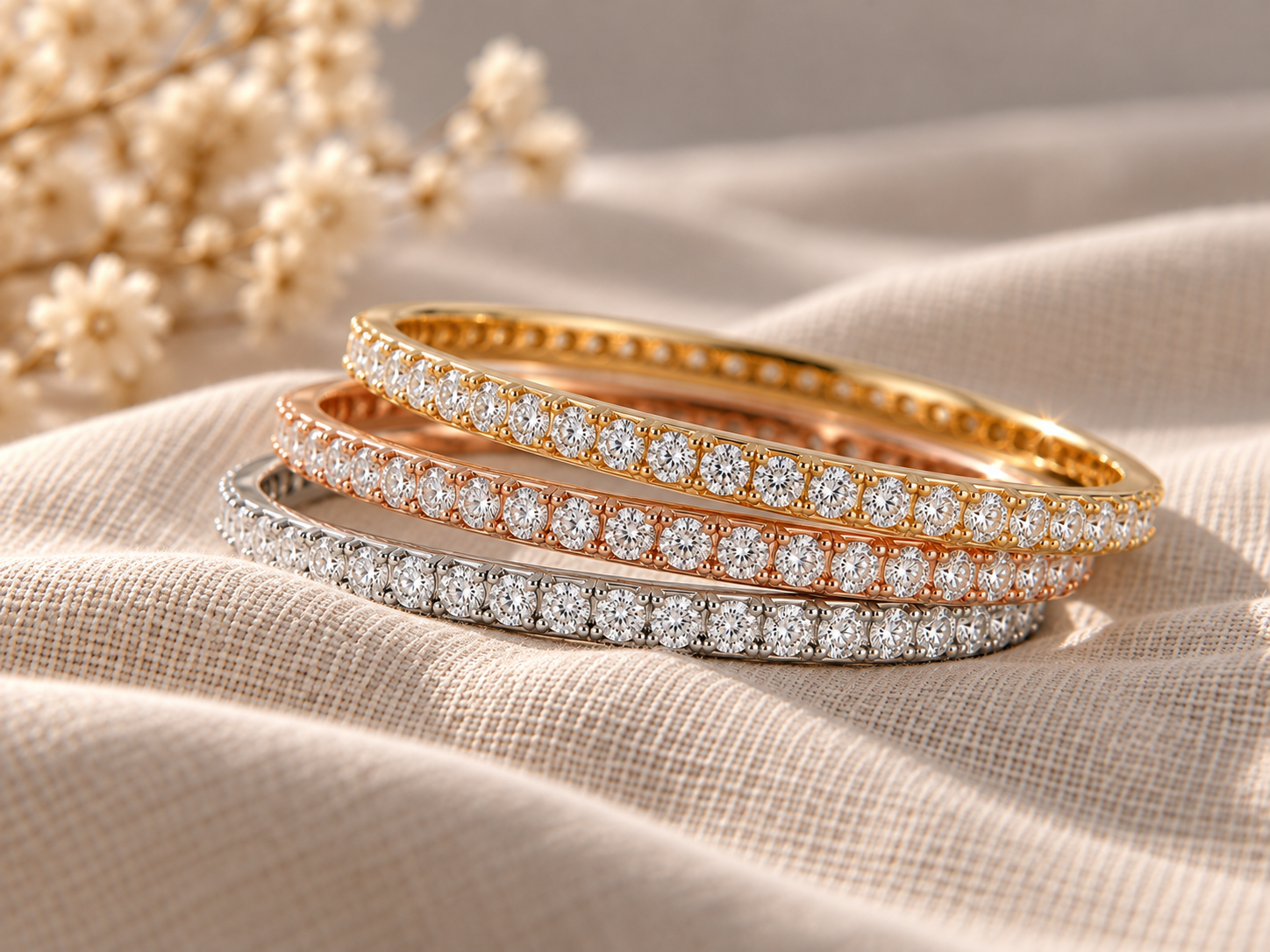
Eternity, half-eternity and classic bands, made in your size and metal.
Explore wedding bandsShop by type All wedding bands →All wedding bands · 234 designsCertified lab grown diamonds · New York · Hong Kong · Surat -
Jewelry
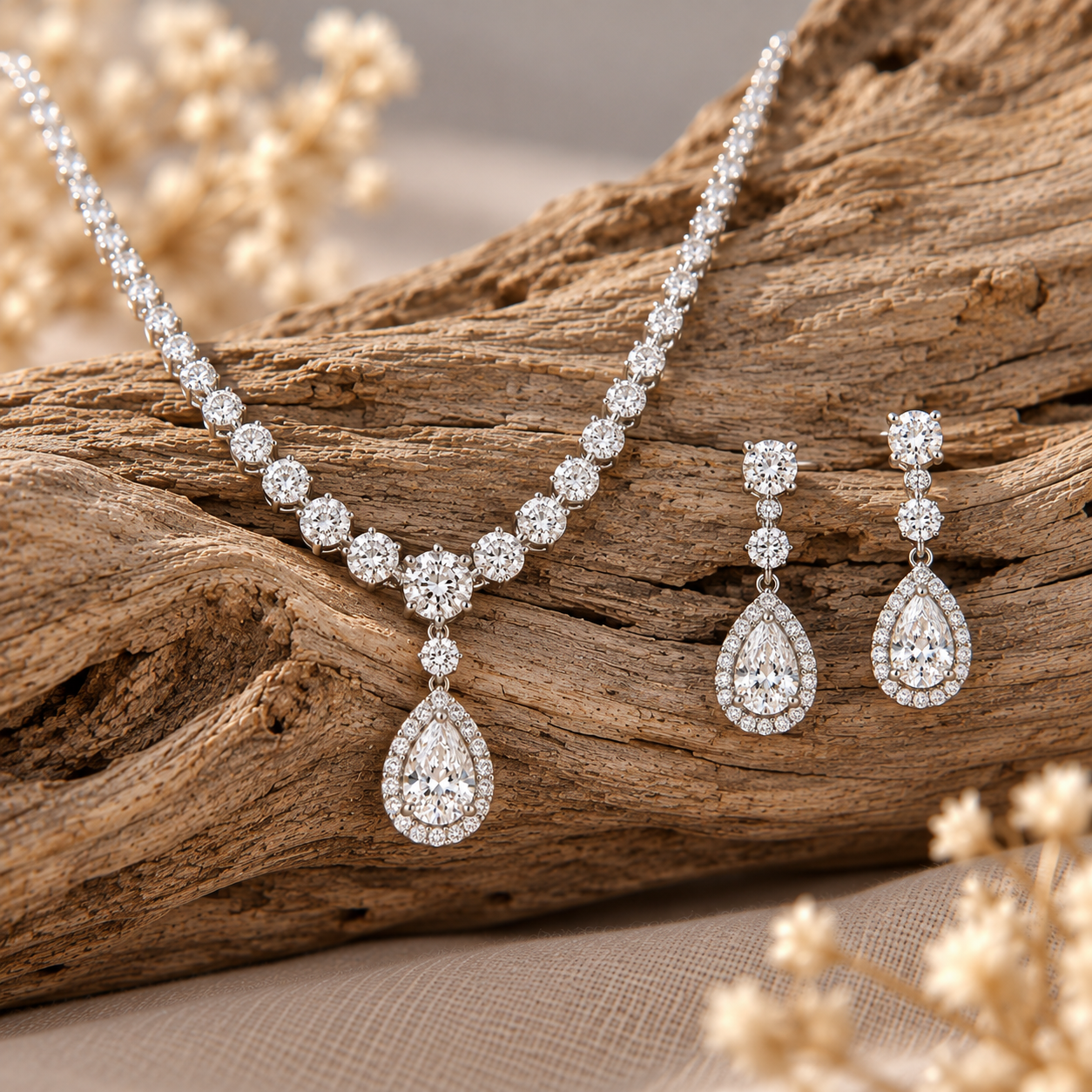 Featured · Fine jewelry
Fine Jewelry
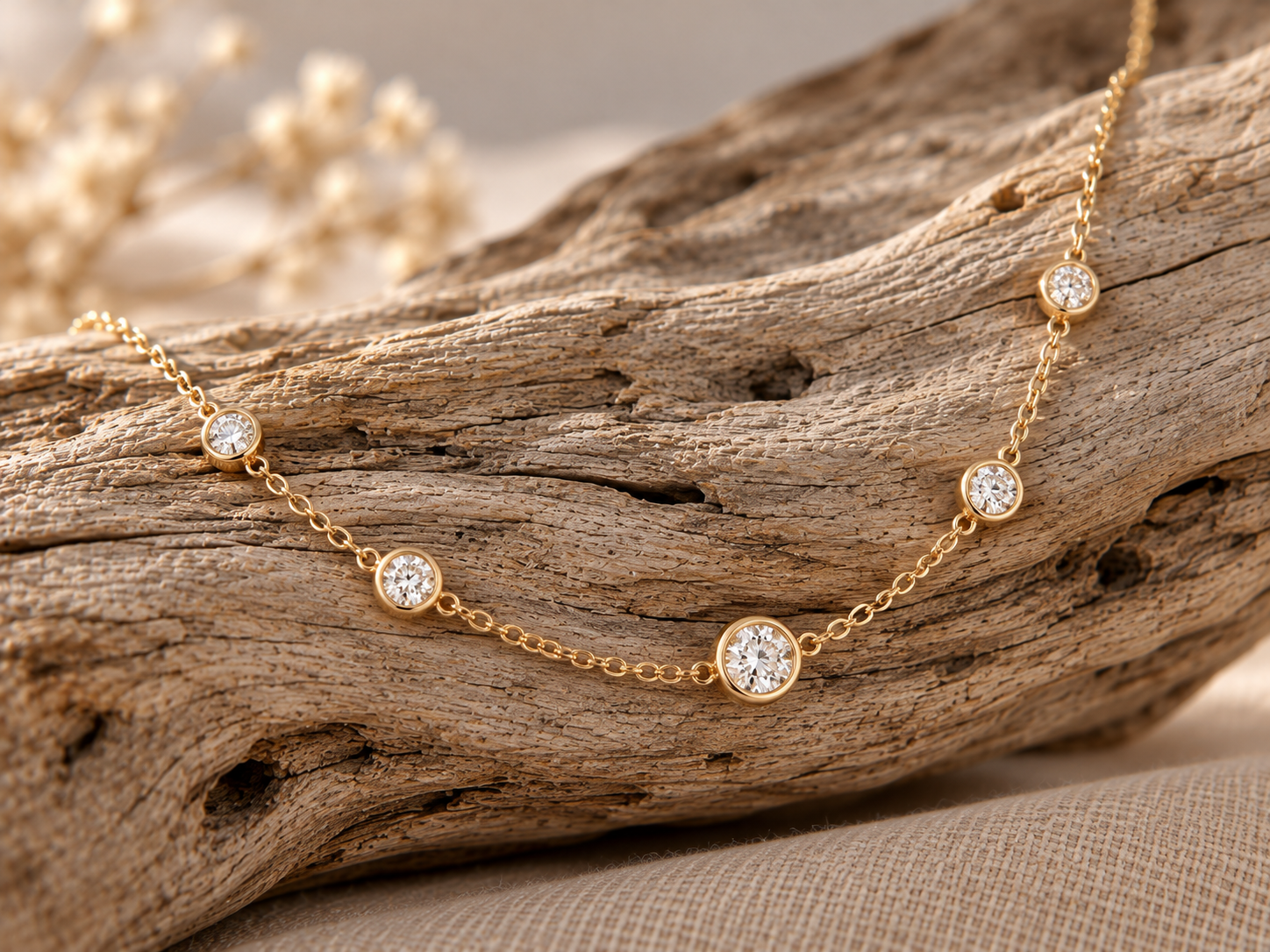
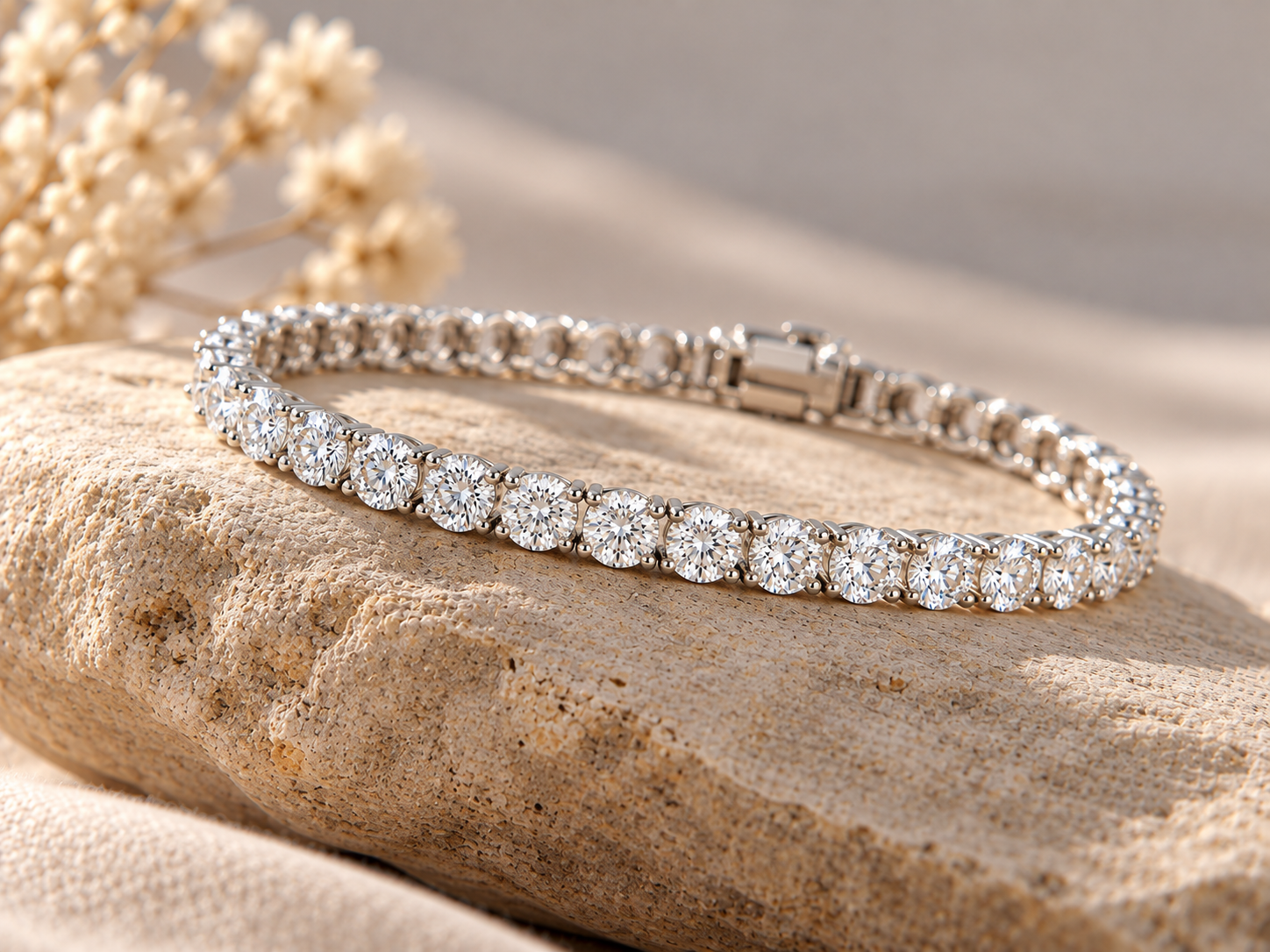
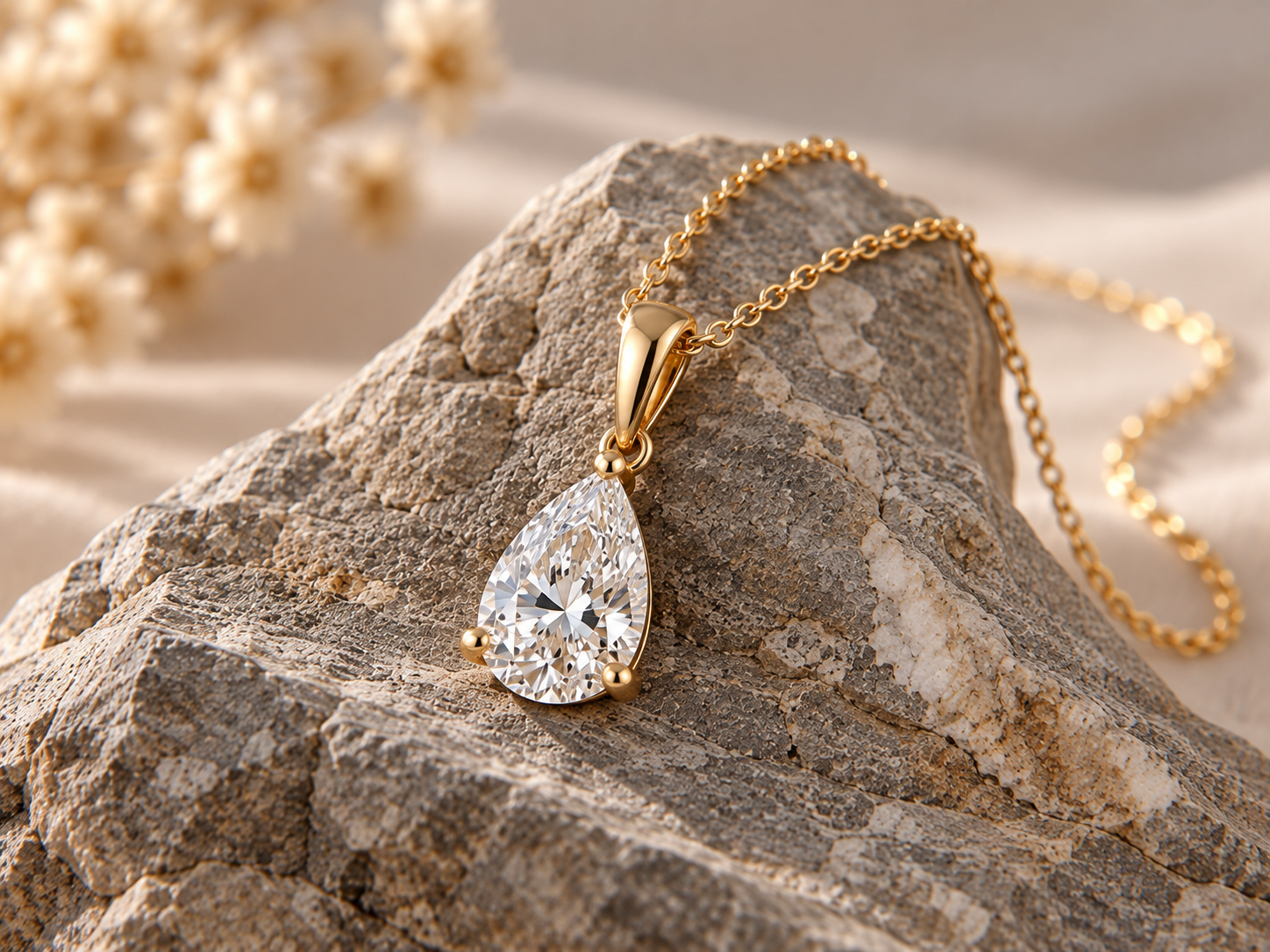
Earrings, pendants, bracelets and necklaces, finished in as little as 4 to 6 days.
Explore the jewelryShop by type All jewelry →All jewelry · 1,400+ designsCertified lab grown diamonds · New York · Hong Kong · Surat -
Ready To Ship
In stock · Ships fast
Ready to Ship
Finished pieces already made and ready to dispatch, no waiting.
Shop ready to shipShop by type All ready to ship →All ready to ship · 294 in stockCertified lab grown diamonds · New York · Hong Kong · Surat - Design Your Own
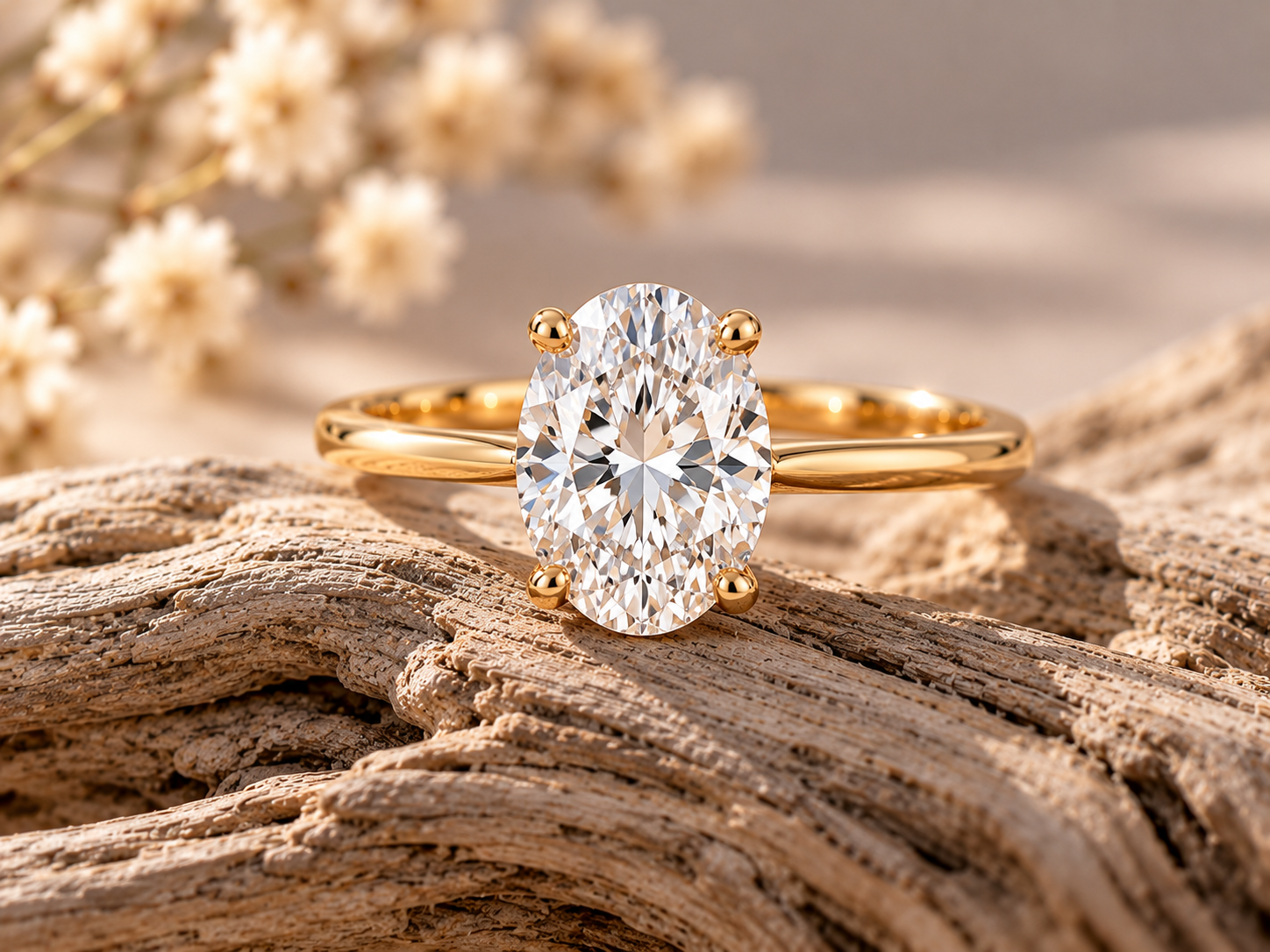





Diamond size chart, to scale.
Pick a shape and slide through carat weights to see how big each diamond looks face-up, with its approximate millimetre dimensions.
Every size, in proportion.
All sizes are drawn on the same scale, so you can see how the face-up size grows with carat weight. Tap any stone to load it above.
MM to carat conversion chart.
| Carat | Size (mm) | Area |
|---|
Size questions, answered.
These figures are typical averages. Two diamonds of the same carat weight can measure differently depending on how they are cut.
Is carat a measure of size?
No — carat is a unit of weight (1 carat = 0.2 grams). Millimetre dimensions describe the visible size. A stone cut deep carries more of its weight below the girdle, so it can look smaller face-up than a shallower stone of the same carat weight.
Why do elongated shapes look bigger?
Oval, pear and marquise diamonds spread their weight over a longer outline, so they usually show more face-up area than a round diamond of the same carat weight.
How accurate is the “actual size” view?
It uses your screen's CSS millimetre, which is close on most devices but not exact. Use the 10 mm scale bar as a guide, or hold a ruler to the screen to compare.
Are lab-grown diamonds the same size as mined ones?
Yes. Lab-grown and mined diamonds have the same density, so a given carat weight and cut gives the same dimensions.